Singapore, 1940. Tan Mei Lin is born healthy into a rich merchant family.
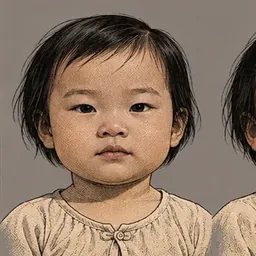
the child of the house

her father, cloth and household-goods merchant
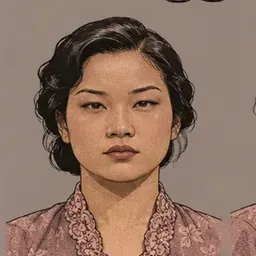
her mother
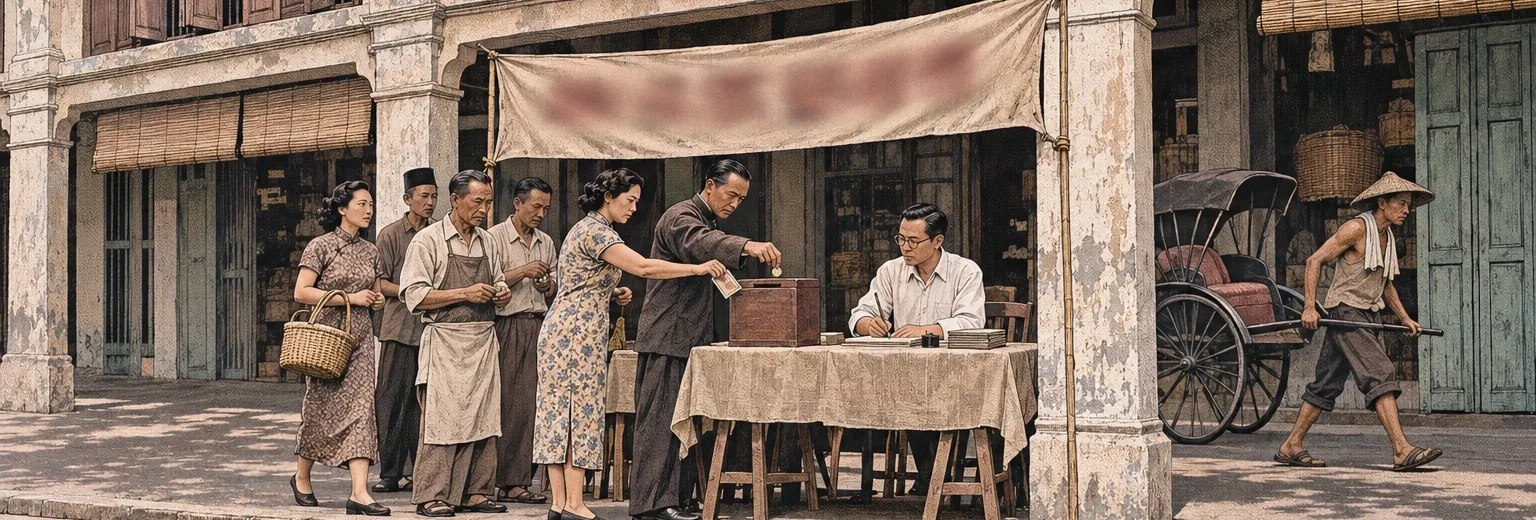
1941 is the last full year of peace in Singapore. The war in Europe is in its third year and shipping and prices are affected; Chinese communities in Malaya raise funds for China's war with Japan (the China Relief Fund drives).
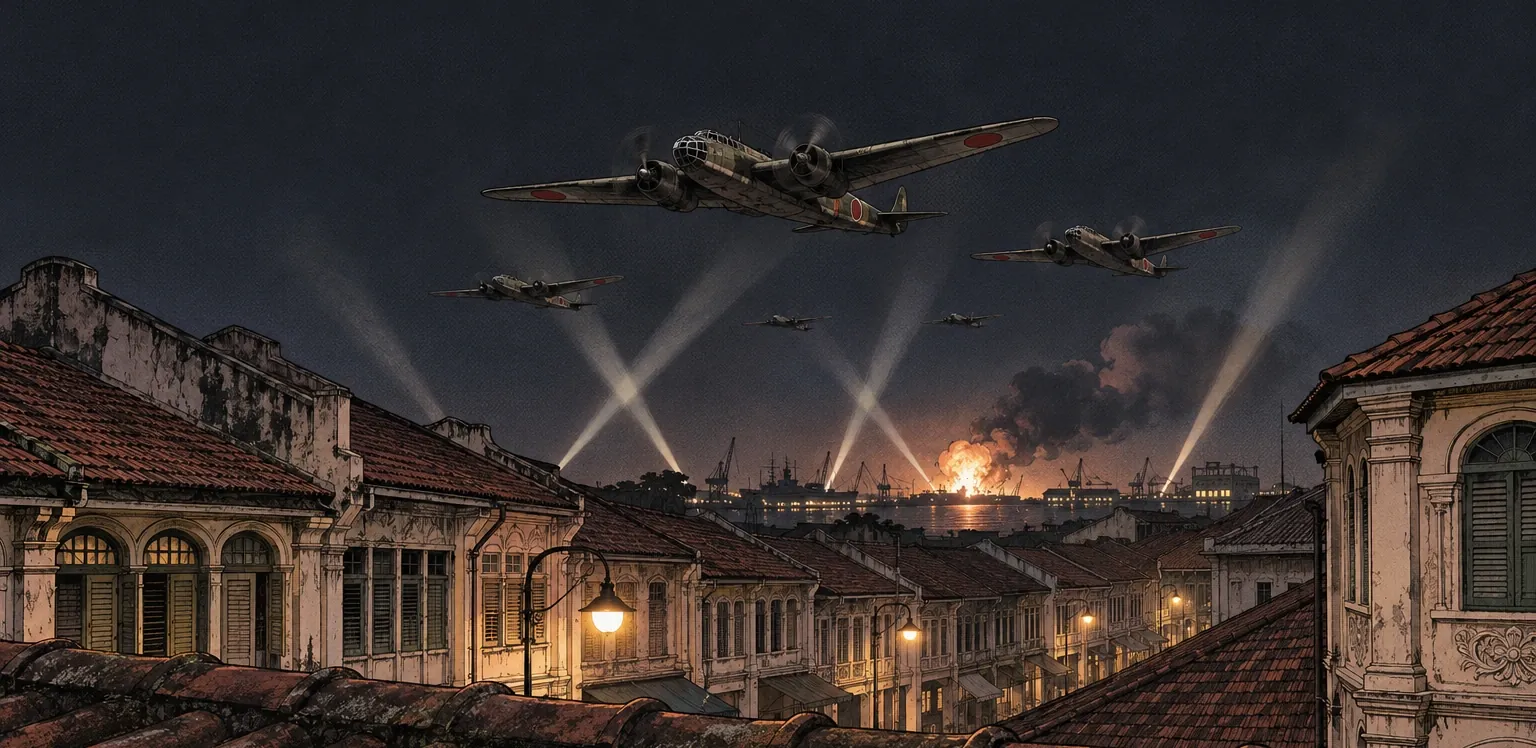
Japan landed in northern Malaya and bombed Singapore in the early hours of 8 December 1941. Air raids on the city continued from then, with civilian casualties. The fall of the island follows in February 1942.
Mei Lin is a one-year-old; Tan Cheng Huat is a Malacca-born textile and household-goods merchant, Lim Swee Neo his wife. Their district, street and trade partners are not established.
Sources
- Singapore Infopedia (National Library Board): entries on the Battle of Singapore and the air raids of 8 December 1941; on the China Relief Fund (Nanyang Chinese Relief General Association).
Behind the dice How likely was each thing that happened? (Spoilers)
Nothing in Life Story is chosen by a writer. Each person's year is a set of rolls, weighted by their stats and their times; the story is written afterwards to fit what the dice decided.
| Who | What the dice decided | Result | Chance |
|---|---|---|---|
| Tan Mei Lin | The price of rice creeps up, a few cents at a time. | prices | 12% |
| Tan Mei Lin | A sickly spell: a night cough, an evening fever, teeth, a rash; nothing with a name. | sickly spell | 6% |
| Lim Swee Neo | A neighbour brings soup and does not ask whether Swee Neo has slept. | kindness | 5% |
| Tan Cheng Huat | An ordinary trading year: no big consignment, no bad debt. | no | 80% |
| Lim Swee Neo | She runs the household and does its accounts in the afternoons. | no | 91% |
| Tan Cheng Huat | A quiet year for him, but the sums no longer sit still. | quiet | 44% |
| Tan Mei Lin | No serious illness for Mei Lin; only small ones. | no | 98% |
| Tan Mei Lin | No pinch on the household. | no | 92% |
| Tan Mei Lin | Mei Lin alive at the year's end. | no | 98% |
| Tan Cheng Huat | Cheng Huat is not seriously ill. | no | 95% |
| Tan Cheng Huat | Cheng Huat alive at the year's end. | no | over 99% |
| Lim Swee Neo | Swee Neo is not seriously ill. | no | 93% |
| Lim Swee Neo | Swee Neo alive at the year's end. | no | over 99% |
The chapter in prose
1941: The Price of Rice
In 1941, one-year-old Tan Mei Lin spends the year in and out of small ailments in her parents' comfortable Singapore home. Her father, Tan Cheng Huat, a Malacca-born textile and household-goods merchant, watches the price of rice rise and keeps his accounts steady through an ordinary trading year. Her mother, Lim Swee Neo, gets through the sleepless months with the help of a neighbour's kindness. On 8 December the war reaches Singapore by air, and the household comes through the first night unhurt.
Small Ailments
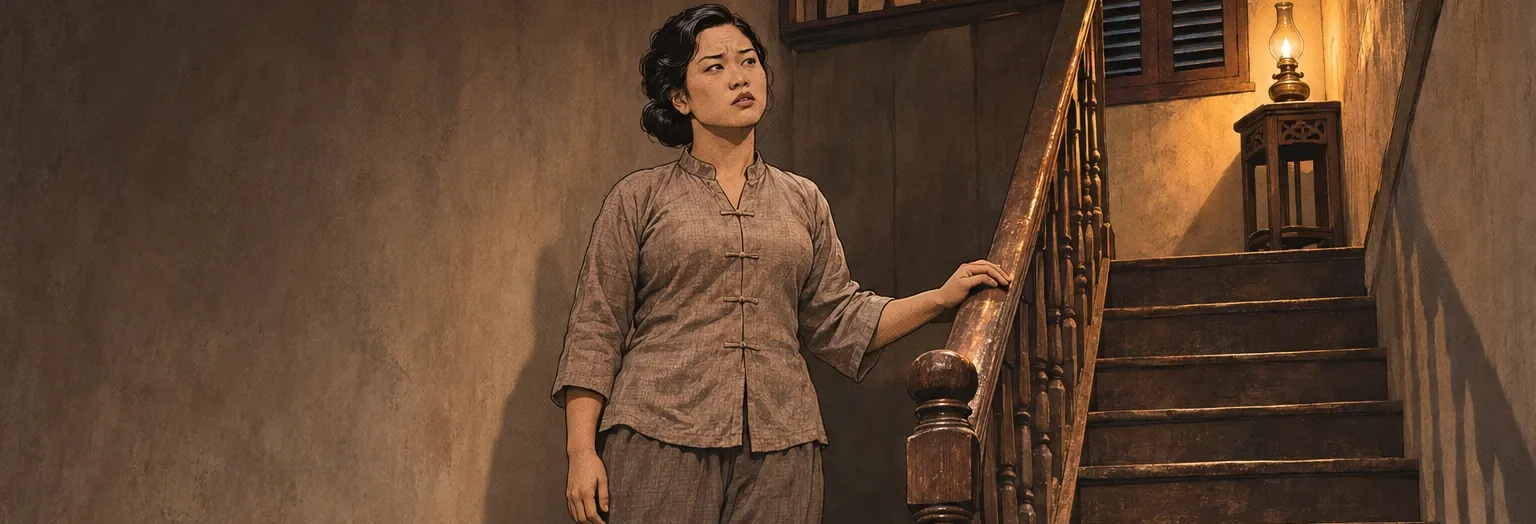
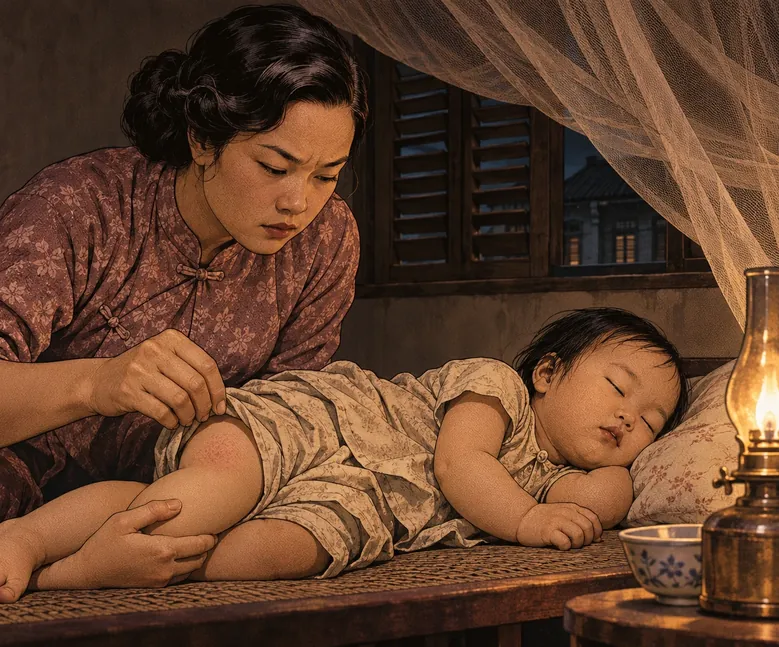
That year Mei Lin was unwell in small ways. A cough that came at night and was gone by morning. A fever that rose after the evening meal and had dropped by the time Lim Swee Neo had decided to send for the doctor, so that she was left standing at the bottom of the stairs with her hand on the rail, deciding again. Teeth. A rash on the backs of the knees. Nothing that had a name, and each time it passed, Swee Neo found she had been holding her breath.
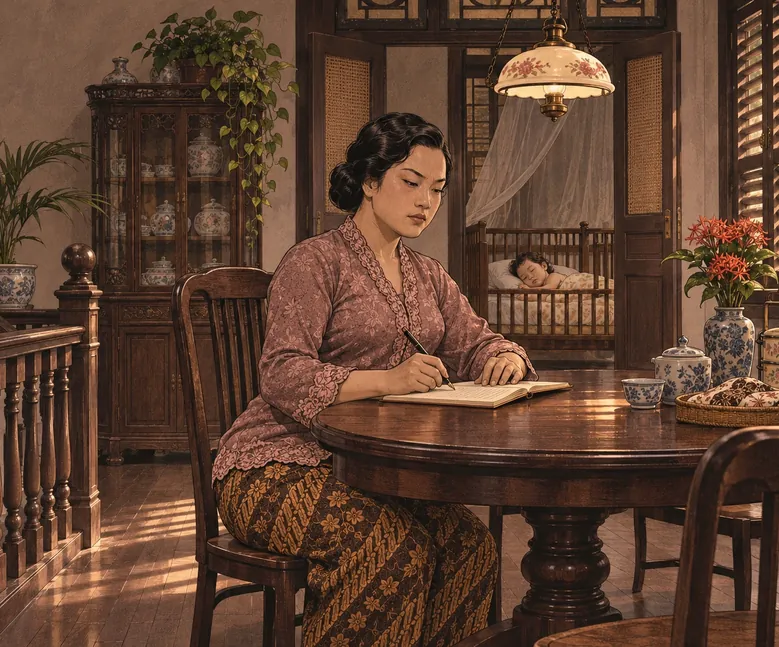
She did not say so to anyone. The household was a competent one, with help in the kitchen and help on the stairs, and she ran it as she had been brought up to run a house: quietly, and by noticing things before they were a problem. She did the household's accounts in the afternoons, when the child slept, in the same small hand her husband used for the shop.
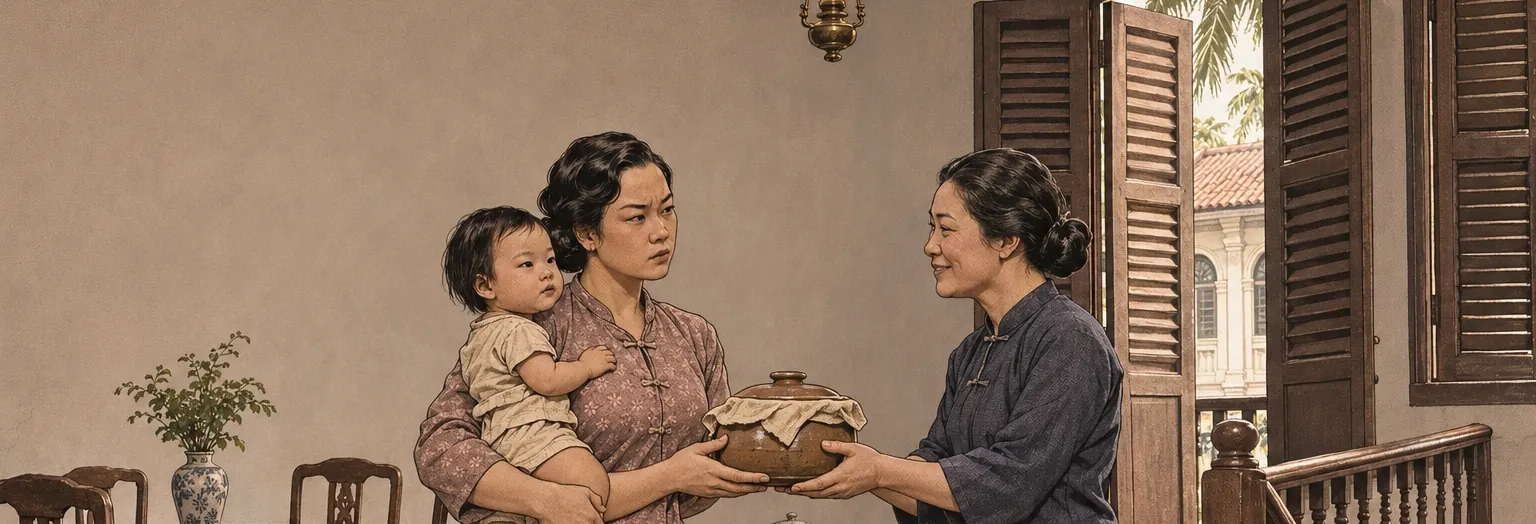
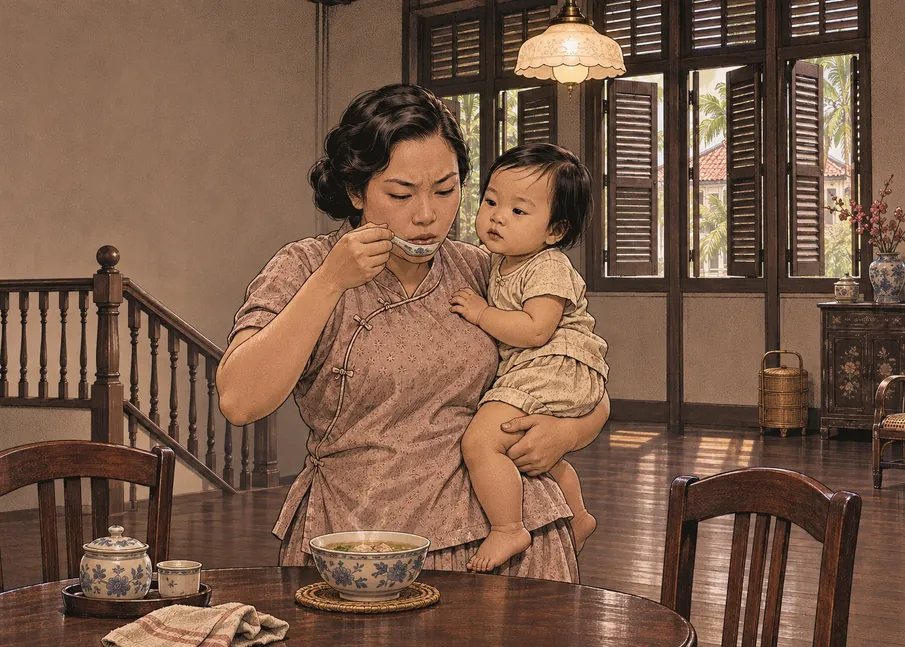
It was a woman from the neighbouring house who came that week with a covered pot, and who did not stay long and did not ask whether Swee Neo had slept. She put the pot on the table and said that the soup was good for a child's cough and good for the mother too, and that she would send her own girl to fetch the pot back tomorrow, or next week, whenever it suited.
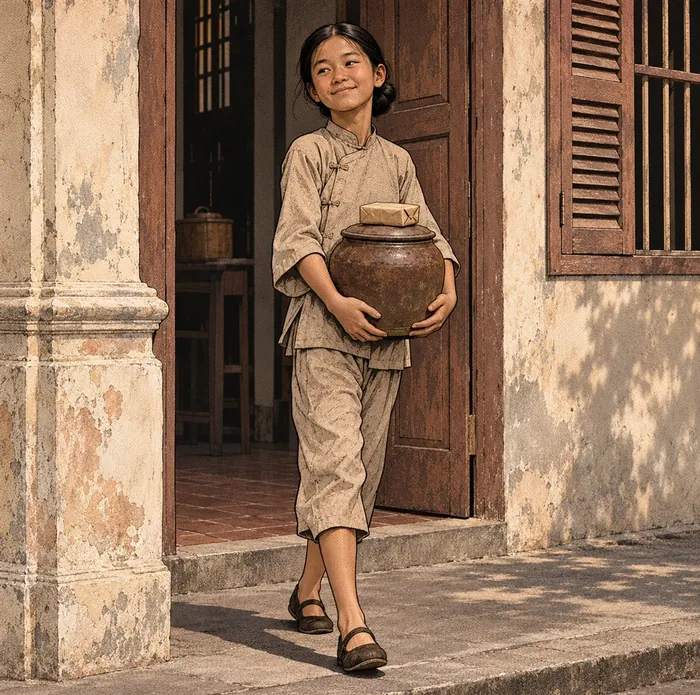
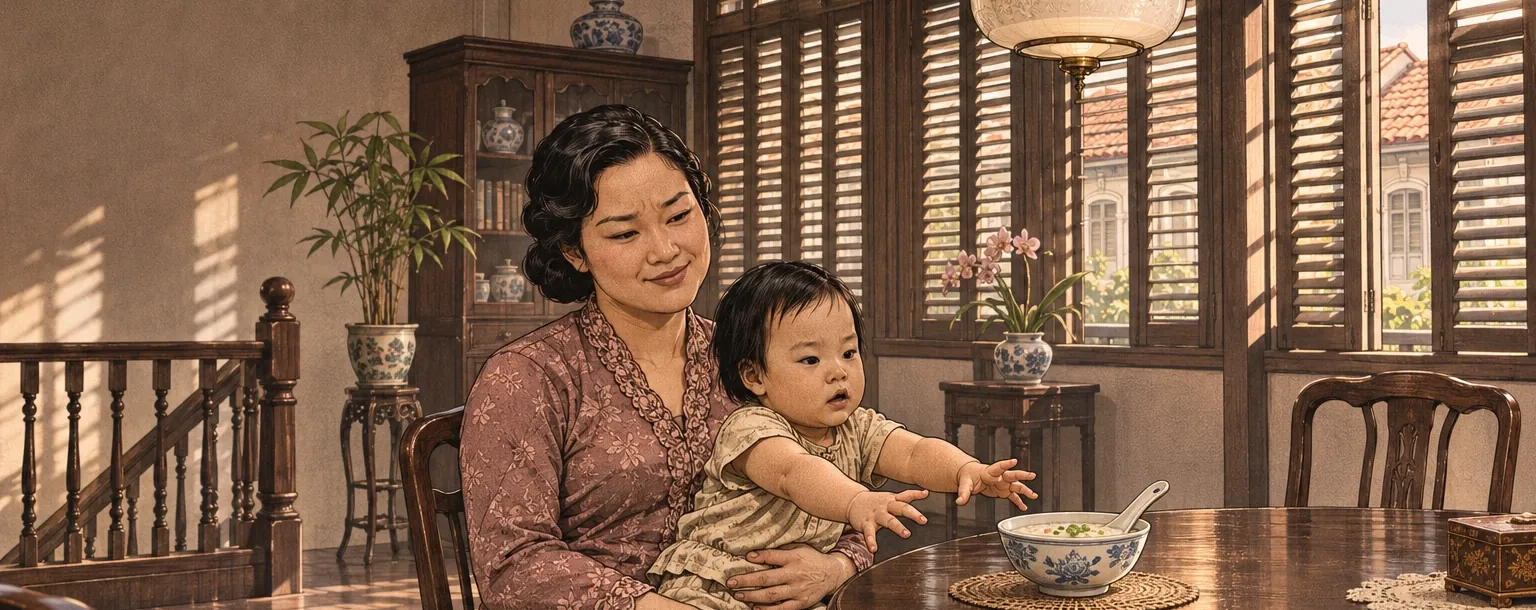
Swee Neo ate the soup standing up, at the table, with the baby on her hip. It was better than she had expected. She did not know how to thank the woman, so she sent back the empty pot with a packet of tea.
The Price of Rice
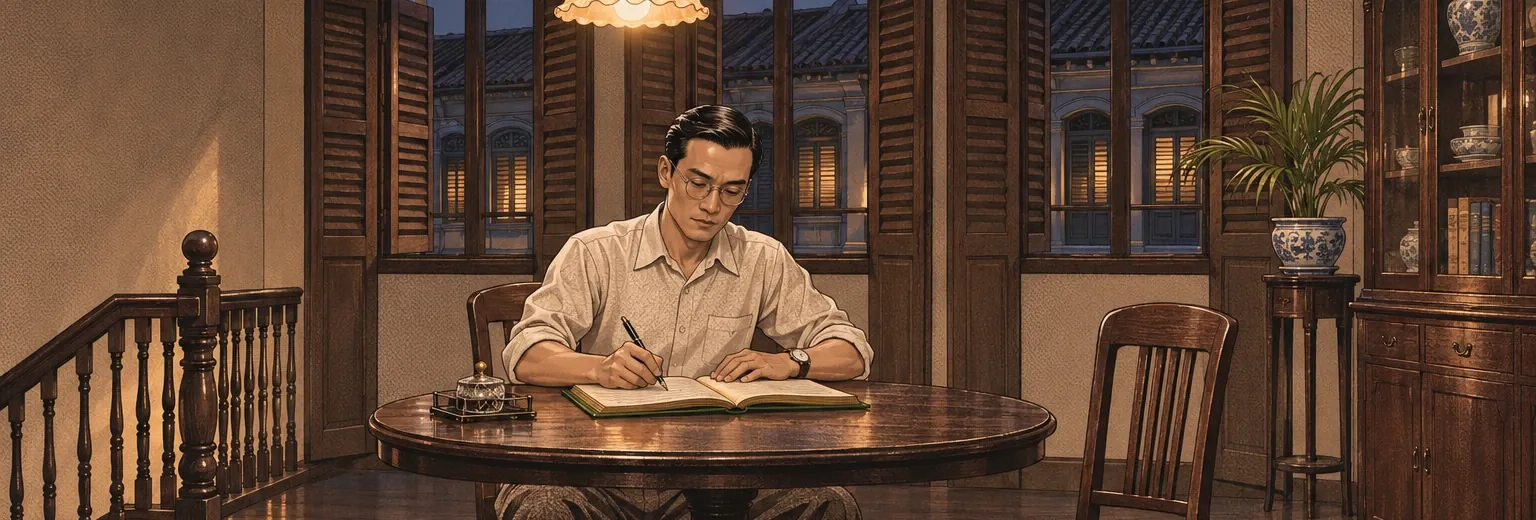
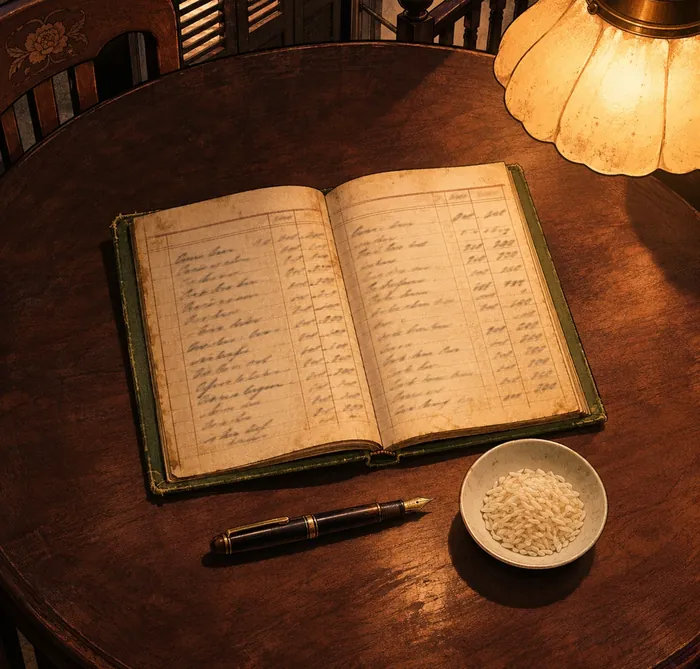
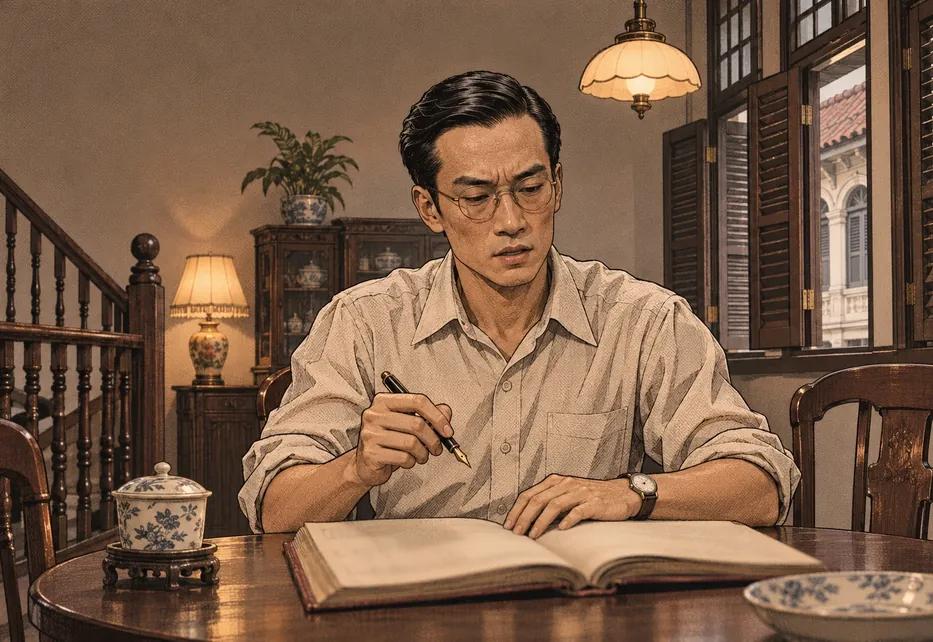
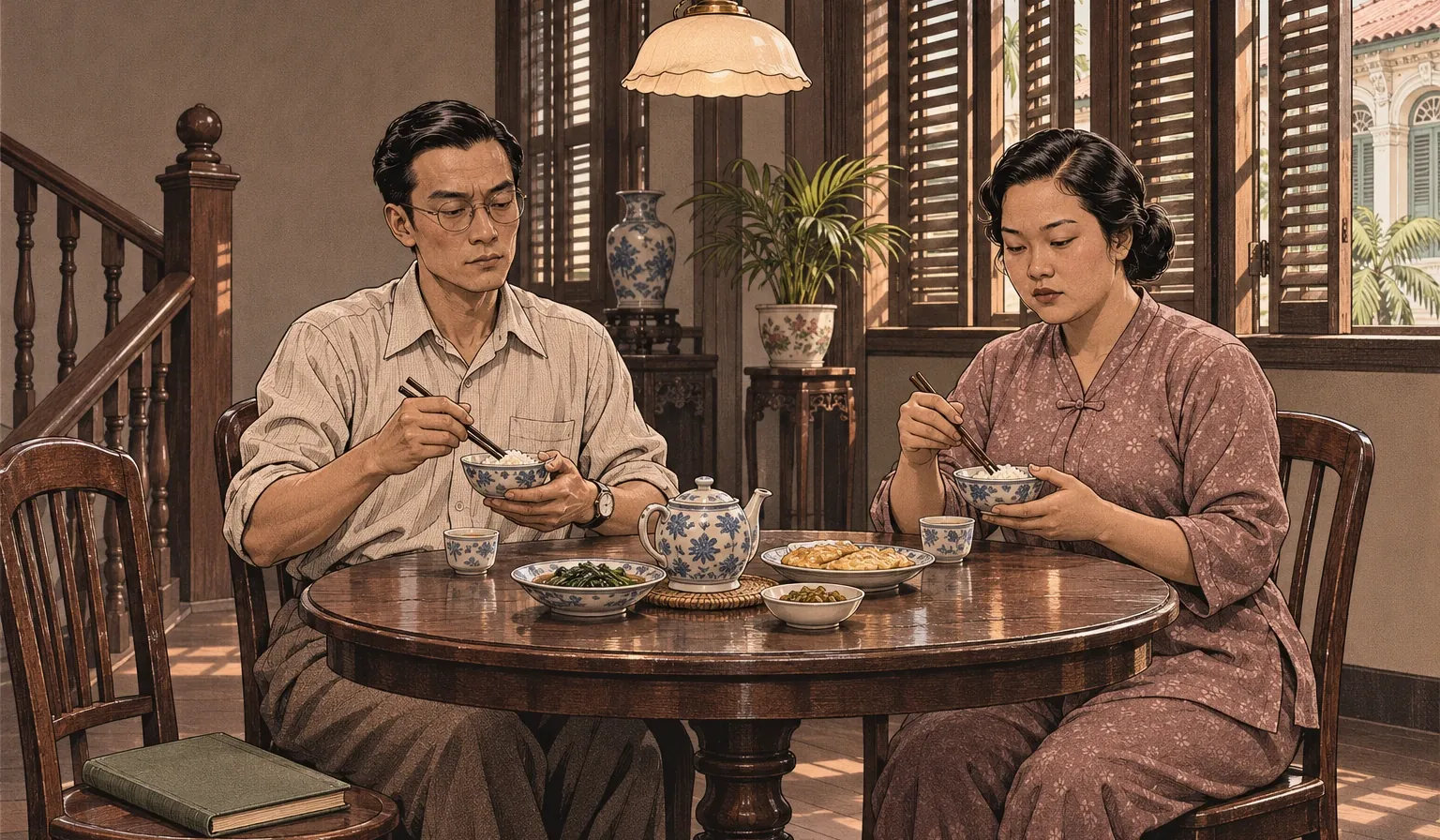
Tan Cheng Huat had come from Malacca with a trade and a habit of writing down what things cost. In Singapore the trade had grown into a business in cloth and household goods, and the habit had become a ledger with a green cloth cover that lived on the chair beside his place at the table.
That year the price of rice crept up. It did not leap; it crept, a few cents at a time, like a child's fever, and in the evenings he read the figures aloud as he wrote them, mostly to himself. The household had no trouble paying it. The business, too, had an ordinary year: no big consignment, no bad debt, nothing he would remember in a decade. But he had begun to notice, in the way of a man who had spent his life on small differences, that the sums no longer sat as still as they had.
"It's the war," he said, to the account book.
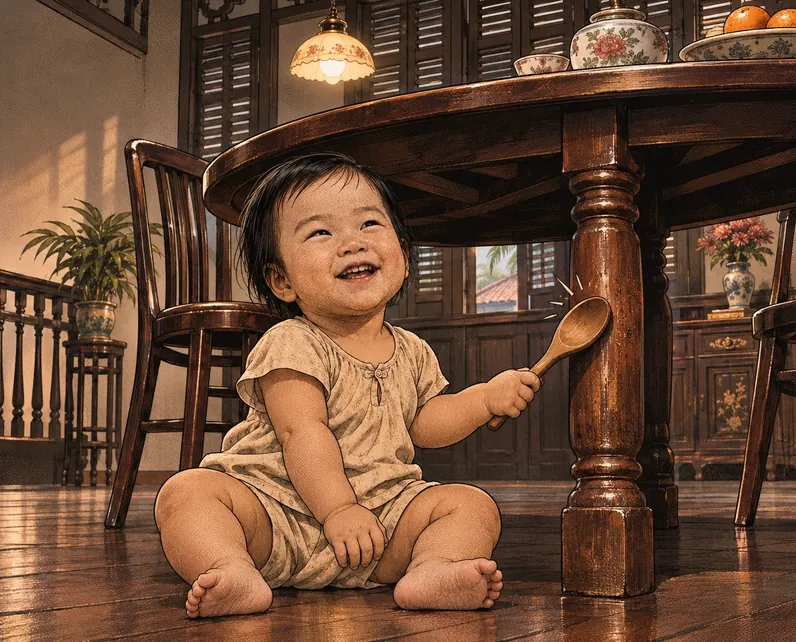
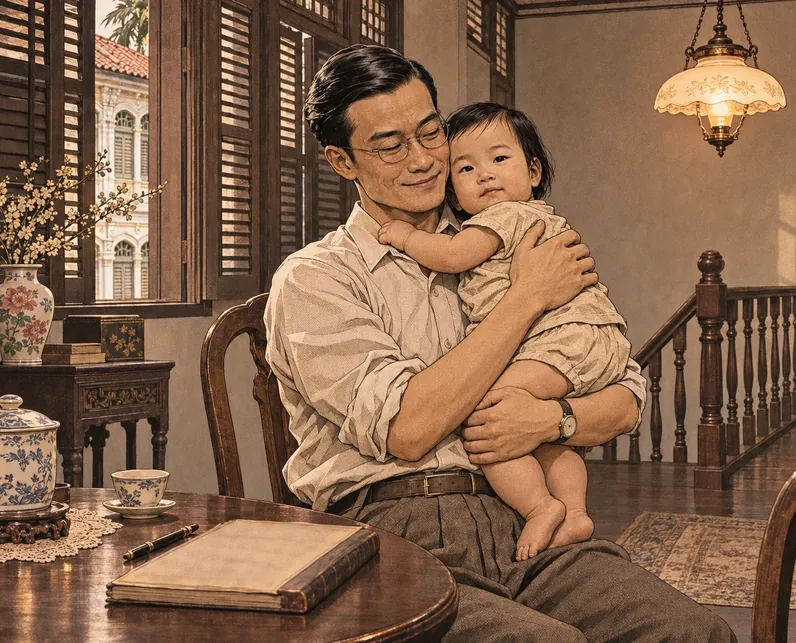
Mei Lin, on the floor with a wooden spoon, struck the leg of the table and looked at him as if he had said something clever. He put down his pen and picked her up. She smelled of soap and of the sweet rice cakes the cook had given her to keep her quiet.
The Eighth of December
The planes came over Singapore before dawn on the eighth of December. The sirens sounded late, and many of the city's lights were still burning when the first bombs fell. Japan had landed on the coast of northern Malaya in the same hours and was already at war with Britain.
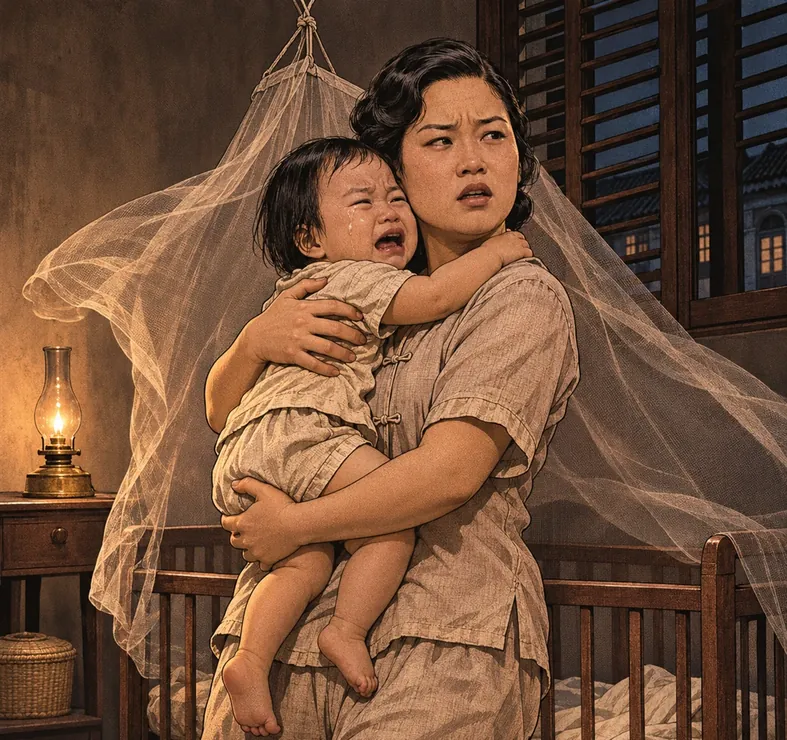
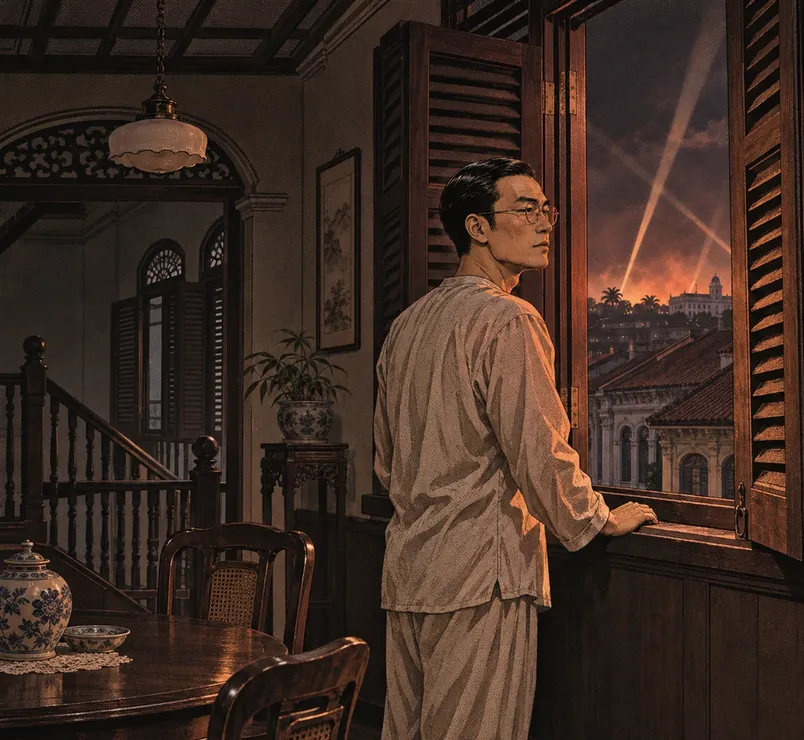
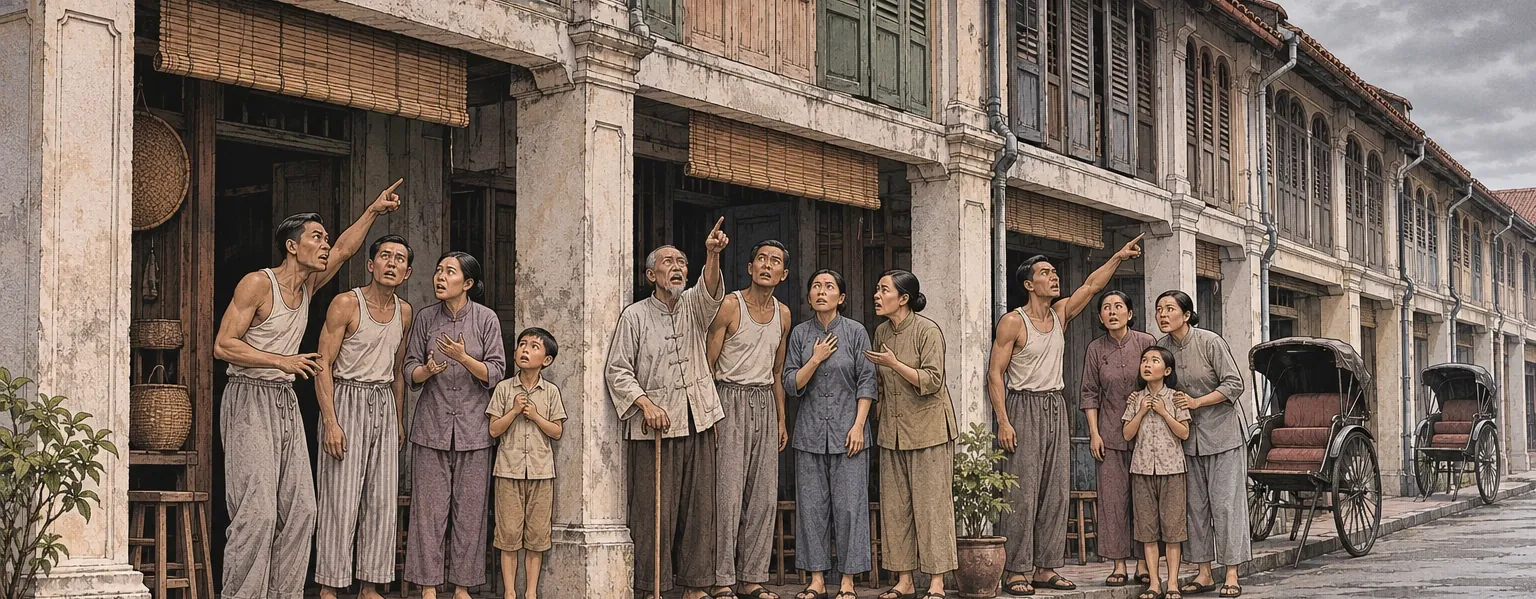
Swee Neo woke to the noise and went straight to the cot. Mei Lin had slept through the first of it, and woke only when her mother lifted her, and cried, more from the grip than from the sound. Cheng Huat stood at the window in his sleeping clothes, looking out at a sky that did not look like a sky. He did not say anything. Nothing struck the house. By morning the street was full of neighbours standing in doorways, telling one another what they had heard.
Nobody in the house was hurt. Over the following days the household spoke less about the price of rice.
By the end of the month rice cost more again, and Mei Lin, who had slept through the worst of the night, woke wanting her breakfast.