In 1965 Indonesian commandos bomb an office block on Orchard Road in March, and in August Singapore leaves Malaysia and becomes a country of its own. Tan Mei Lin, 25, senior clerk at a shipping agency and married since 1961 to Teo Kah Leong of a Boat Quay rice family, gives birth to their first child, a daughter, Rose Teo Li Ling. After her confinement she goes back to the office and takes on an amah to mind the baby, and an introduction from her old bank manager brings the agency a new account. Her mother, Lim Swee Neo, is seriously ill for weeks; her father, Tan Cheng Huat, keeps the cloth firm steady and comes to the flat every evening with news. Kah Leong, kept by his father to the dealers he already has, pays back nothing of last year's loan, and husband and wife find they talk less.

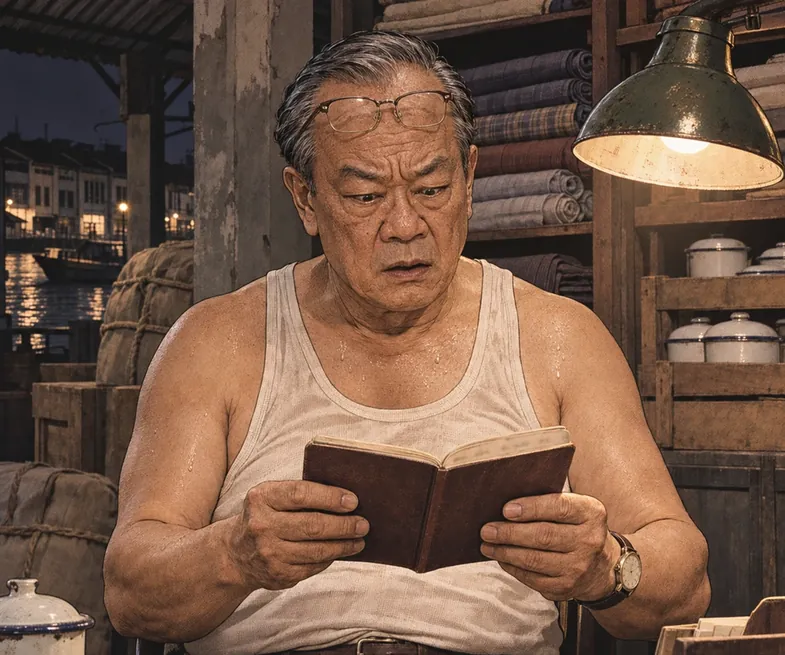
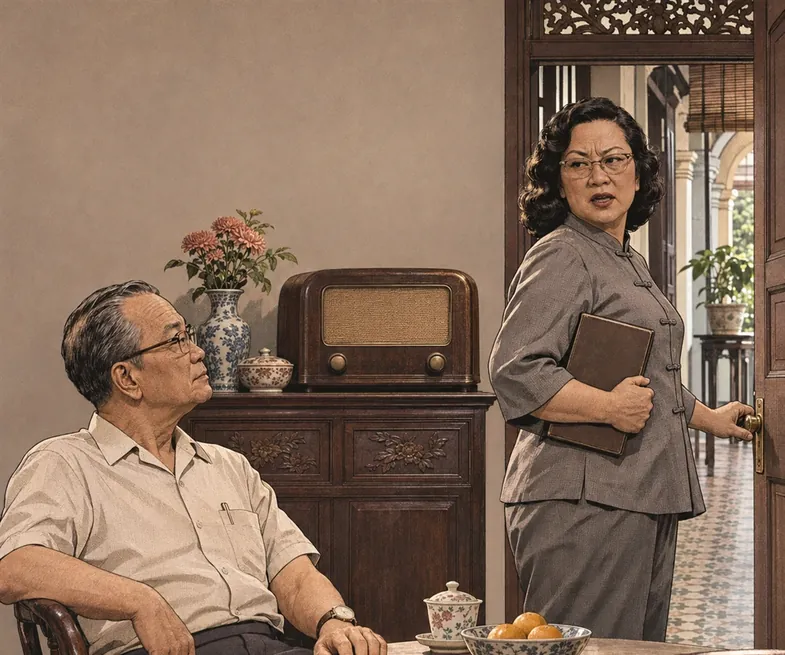
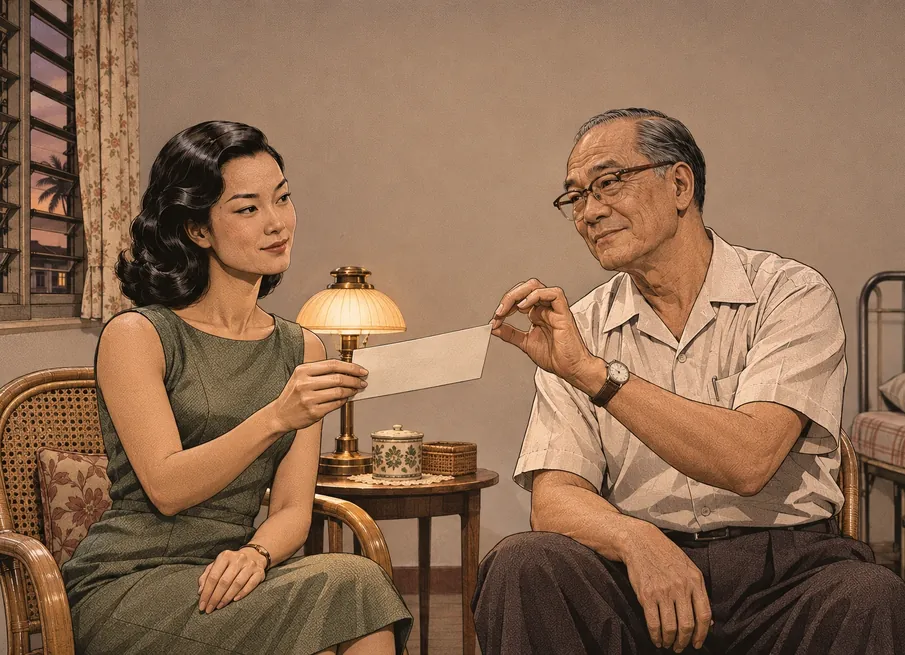
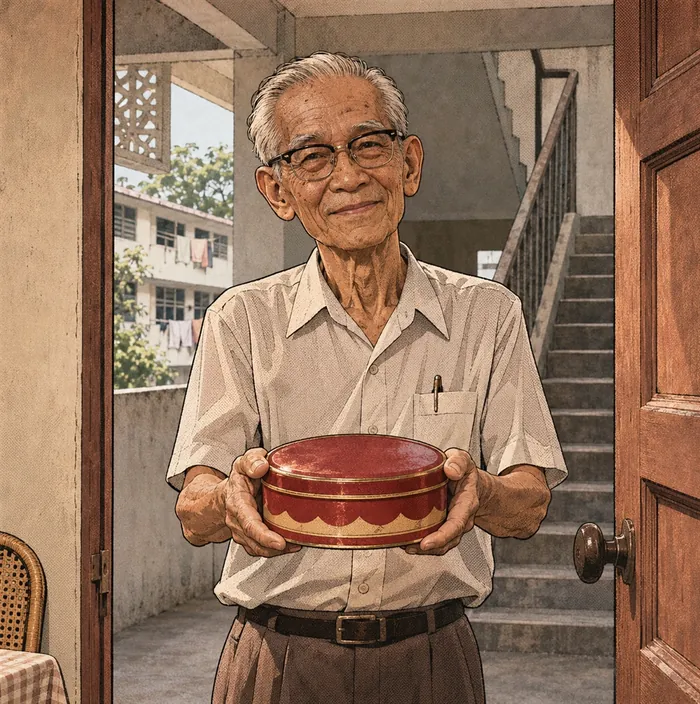
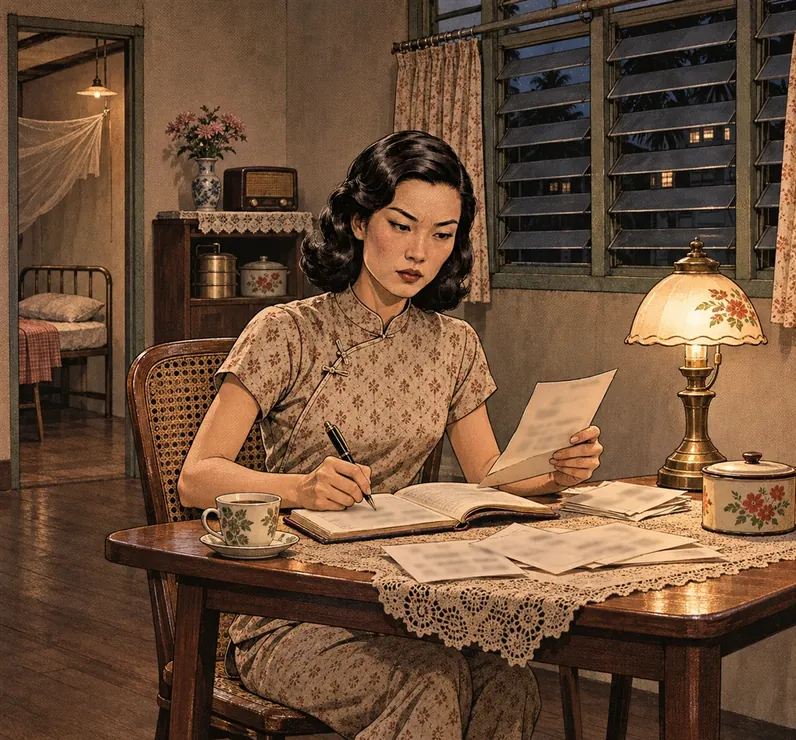
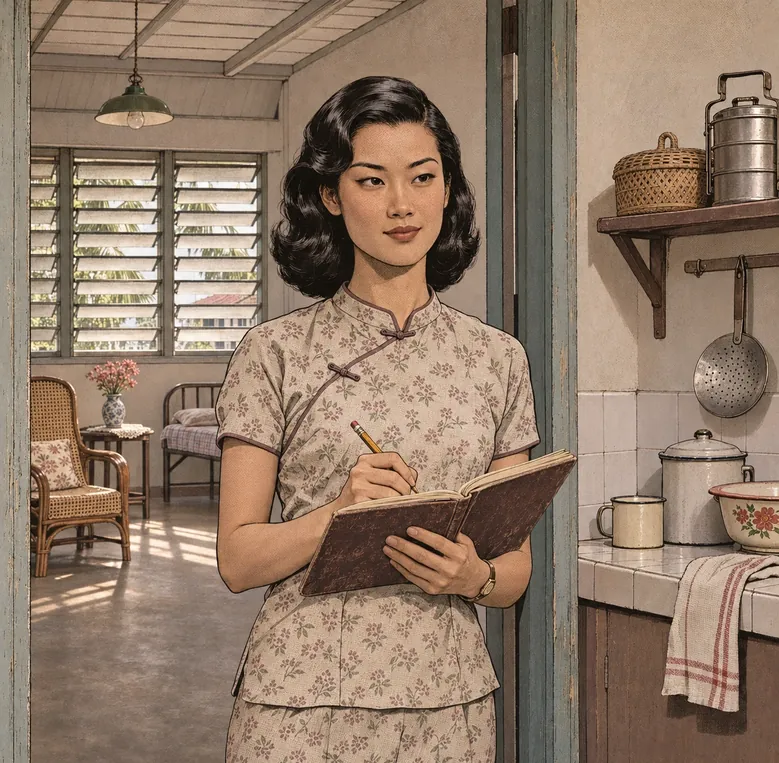
senior clerk at a shipping agency
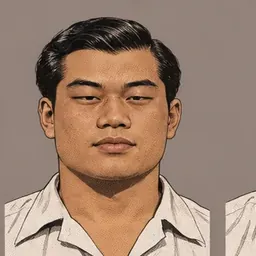
her husband, in his father's rice business
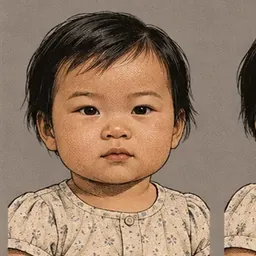
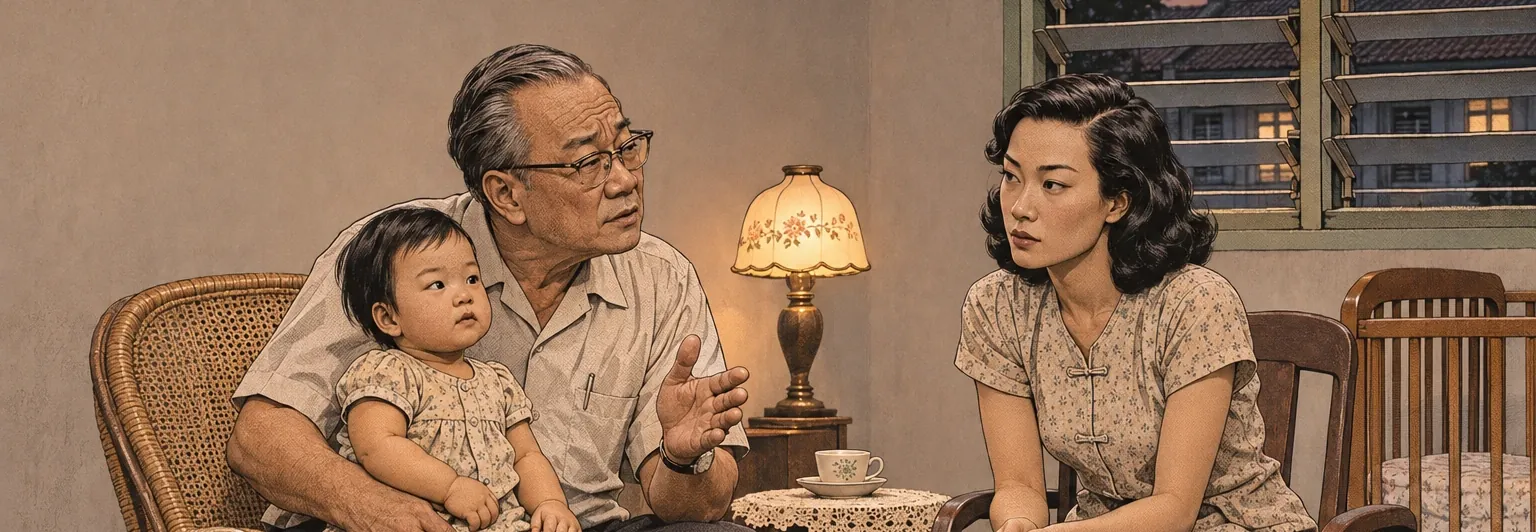
their daughter
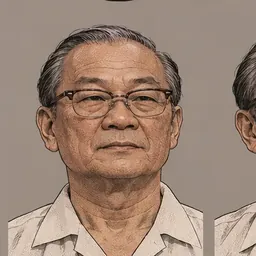
her father, cloth merchant
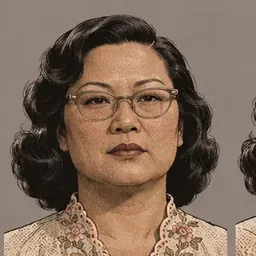
her mother
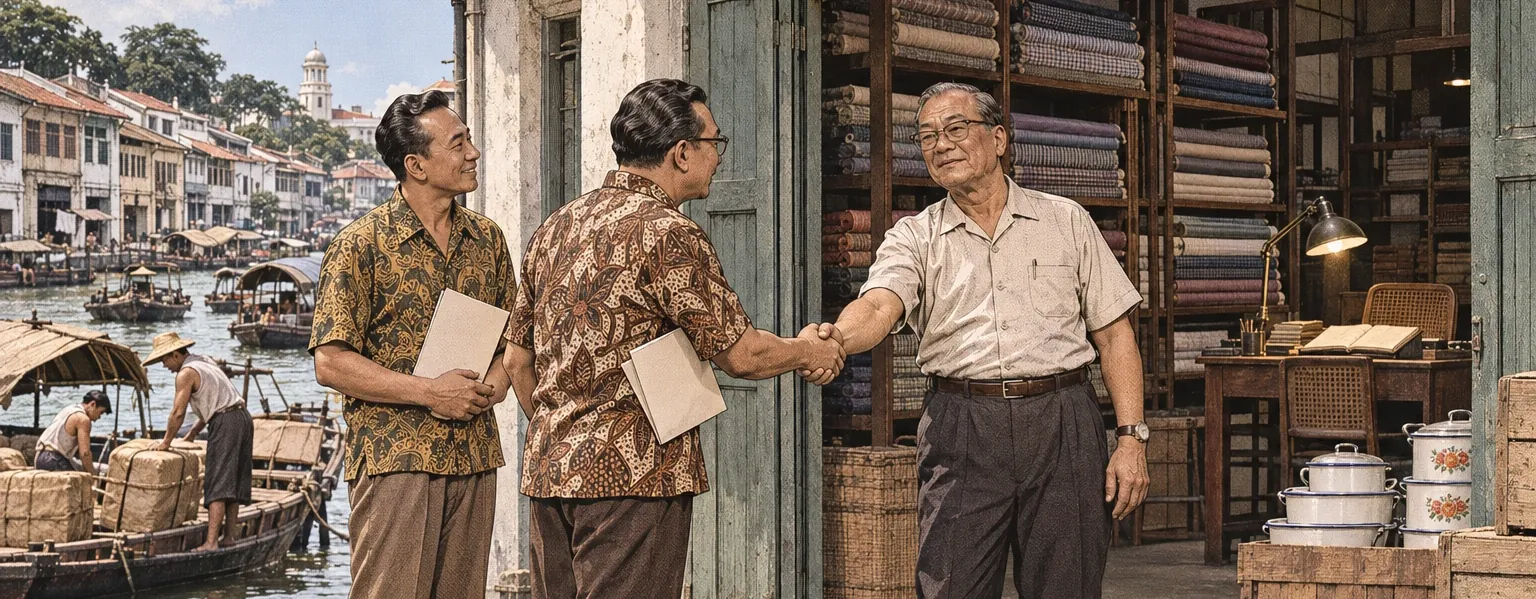
On 11 March 1966 Suharto took power from Sukarno in Jakarta. In June Indonesia recognised Singapore's independence, and on 12 August a peace agreement between Indonesia and Malaysia formally ended Confrontation. Singapore's exports to Indonesia restarted hesitantly (about S$1.7 million in September 1966) and grew over the following year; full relations between Singapore and Jakarta waited until 1973.
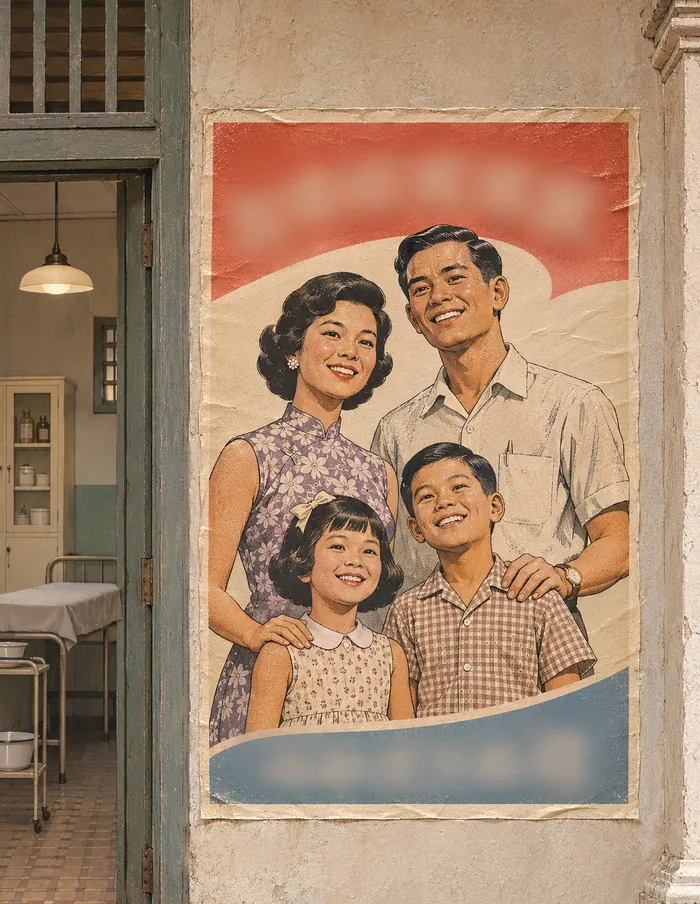
The Singapore Family Planning and Population Board, set up by an Act passed in December 1965, was inaugurated on 12 January 1966 to run national family-planning campaigns and clinics.
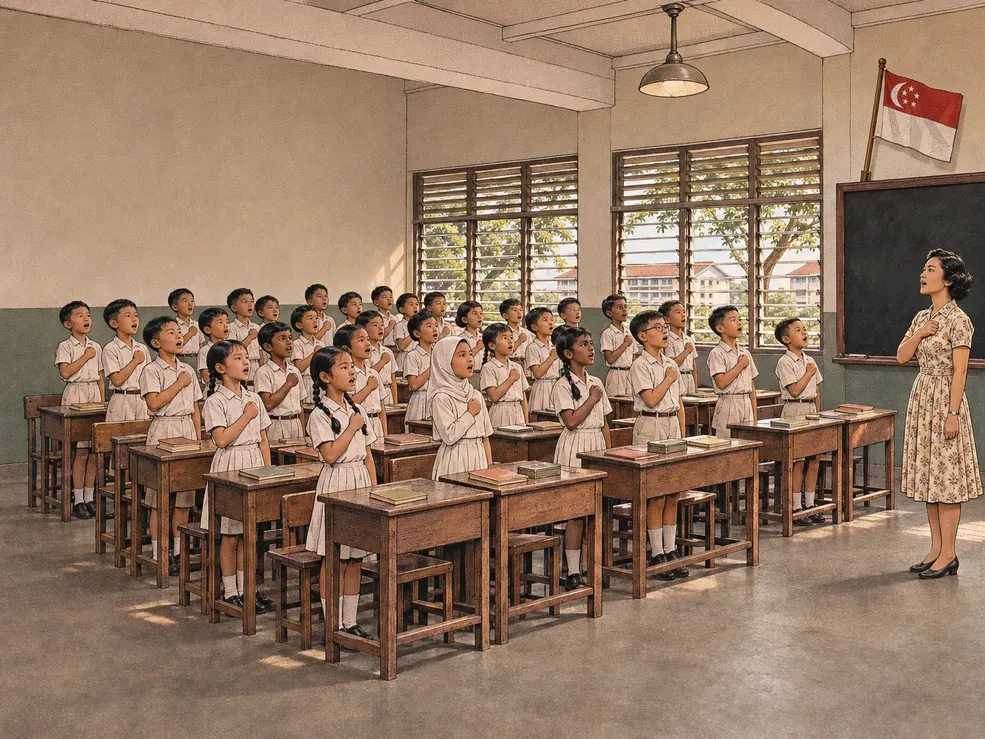
On 24 August 1966 about 500,000 pupils in 529 government and government-aided schools recited the new National Pledge for the first time (some reports give 25 August); flag-raising ceremonies in schools followed from 29 August.
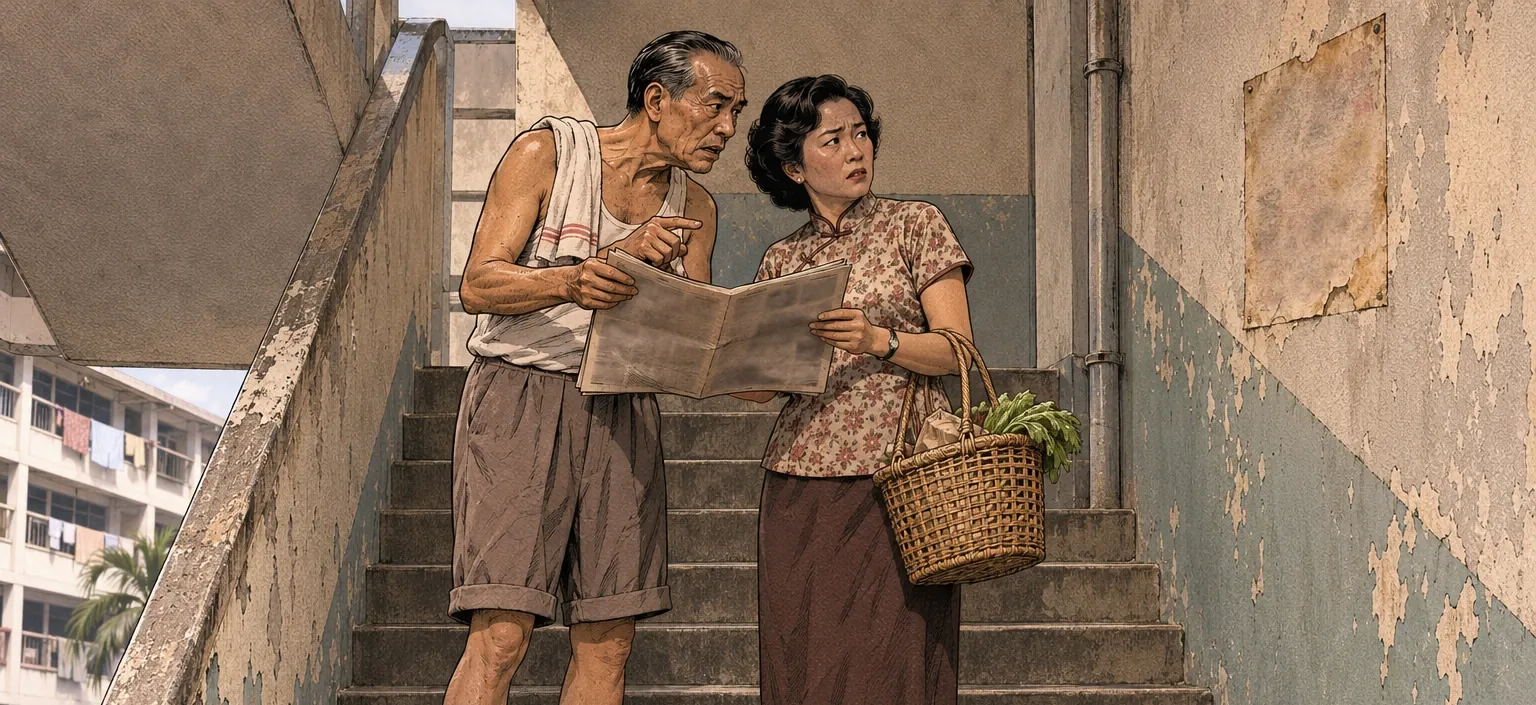
On 26 October 1966 Parliament passed the Land Acquisition Act, widening the government's powers to acquire land for public purposes, urban renewal and industry. It came into force on 17 June 1967.
Mei Lin is 26, senior clerk at a shipping agency; Rose turns one this year, minded by an amah while Mei Lin works. Teo Kah Leong is 32, in his father's rice business at Boat Quay, still owing Mei Lin the 1964 loan. Tan Cheng Huat is 58; Lim Swee Neo is 51 and was seriously ill in 1965. Median household income for the peer group is about $256 a month (engine reference, interpolated).
Sources
- BiblioAsia (NLB), 'Konfrontasi: Singapore's Experience of an Undeclared War' (vol. 19 issue 4, 2024).
- The Press (Christchurch), 'Singapore-Indonesia Trade Changes', 25 January 1968 (Papers Past), for the September 1966 export figure.
- National Archives of Singapore, agency record 'Singapore Family Planning and Population Board'; BiblioAsia, 'The Early Days of Family Planning in Singapore' (2022).
- Infopedia (NLB), 'National Pledge' (SIP_84); Mothership, '51 years ago, 500,000 students in S'pore took the first National Pledge' (2017).
- Infopedia (NLB), 'Land Acquisition Act 1966'; Wikipedia, 'Land Acquisition Act 1966'.
- norms.py Singapore 1966-1970 era: BiblioAsia 'A Quiet Revolution' (2014) and 'Women and the Typewriter' (2023); Cheng Siok-Hwa, 'Female Labour in Singapore' (1978).
Behind the dice How likely was each thing that happened? (Spoilers)
Nothing in Life Story is chosen by a writer. Each person's year is a set of rolls, weighted by their stats and their times; the story is written afterwards to fit what the dice decided.
| Who | What the dice decided | Result | Chance |
|---|---|---|---|
| Tan Mei Lin | Mei Lin is seriously ill for weeks; the doctor never names it. | yes | under 1% |
| Tan Cheng Huat | He asks Mei Lin for a loan from her rent money; she writes the cheque. | yes | 33% |
| Tan Mei Lin | The new manager tells the agent she is underpaid: a tenth more from next month. | yes | 61% |
| Tan Mei Lin | While she is ill a new manager takes over the agency's books. | new superior | 4% |
| Tan Mei Lin | Her uncle lends her what she needs for the doctor's bills, whenever convenient. | kin loan | 15% |
| Tan Cheng Huat | A good year on paper leaves the firm with no cash in the bank. | money trouble | 9% |
| Tan Cheng Huat | A Serangoon Road draper shuts his shutters owing the firm. | yes | 11% |
| Tan Cheng Huat | From September the Indonesian buyers come back directly. | yes | 47% |
| Teo Kah Leong | The quarrel: 'You care more for the Hong Kong house's cargoes than for Rose.' | quarrel | 10% |
| Teo Kah Leong | An envelope on the dressing table: part of the 1964 loan. | yes | 40% |
| Rose Teo Li Ling | An ordinary first year; she walks by its end. | ordinary | 54% |
| Tan Mei Lin | Taken all round, a steady year between them. | close | 55% |
| Tan Mei Lin | Rice and the wet market dearer; the amah wants more at Chinese New Year. | prices | 8% |
| Tan Mei Lin | No second child on the way; her mother-in-law says it is as well. | not yet | 89% |
| Tan Cheng Huat | The firm grows. | yes | 34% |
| Tan Cheng Huat | A clan friend introduces him to a school-stores buyer. | introduction | 15% |
| Tan Cheng Huat | He talks quality; the buyer wants a price. Nothing comes of it. | no | 37% |
| Lim Swee Neo | Asked onto the district temple committee to keep its accounts. | standing | 10% |
| Teo Kah Leong | His elder brother lends him money on easy terms. | kin loan | 12% |
| Tan Mei Lin | No pinch on the couple's budget beyond prices. | no | 91% |
| Tan Mei Lin | No better post open to her: she stays senior clerk. | stays | over 99% |
| Tan Mei Lin | No separate difficult conversation drawn. | no | 79% |
| Tan Mei Lin | Mei Lin alive at the year's end. | no | over 99% |
| Tan Mei Lin | A quiet year at the flat. | quiet | 43% |
| Tan Cheng Huat | Cheng Huat is not seriously ill. | no | 98% |
| Tan Cheng Huat | Cheng Huat alive at the year's end. | no | over 99% |
| Lim Swee Neo | Swee Neo is well again. | no | 96% |
| Lim Swee Neo | No new institutional account. | no | 65% |
| Lim Swee Neo | Swee Neo alive at the year's end. | no | over 99% |
| Lim Swee Neo | An ordinary year for her. | quiet | 42% |
| Teo Kah Leong | Kah Leong is not seriously ill. | no | 95% |
| Teo Kah Leong | His father keeps him to the dealers he has. | no | 86% |
| Teo Kah Leong | Kah Leong alive at the year's end. | no | over 99% |
| Rose Teo Li Ling | Rose alive at the year's end. | no | over 99% |
Show as a table
| Year | Household a month | Peer median | Multiple |
|---|---|---|---|
| 1941 | $504 | $42 | 12.0× |
| 1942 | $82 | $42 | 2.0× |
| 1943 | $148 | $42 | 3.5× |
| 1944 | $204 | $42 | 4.9× |
| 1945 | $815 | $120 | 6.8× |
| 1946 | $1,114 | $150 | 7.4× |
| 1947 | $1,094 | $155 | 7.1× |
| 1948 | $1,072 | $160 | 6.7× |
| 1949 | $1,051 | $165 | 6.4× |
| 1950 | $1,691 | $170 | 9.9× |
| 1951 | $1,753 | $175 | 10.0× |
| 1952 | $1,901 | $180 | 10.6× |
| 1953 | $1,841 | $185 | 10.0× |
| 1954 | $1,791 | $190 | 9.4× |
| 1955 | $1,838 | $195 | 9.4× |
| 1956 | $2,083 | $200 | 10.4× |
| 1957 | $2,298 | $205 | 11.2× |
| 1958 | $2,390 | $210 | 11.4× |
| 1959 | $2,841 | $215 | 13.2× |
| 1960 | $3,164 | $220 | 14.4× |
| 1961 | $2,000 | $225 | 8.9× |
| 1962 | $2,401 | $230 | 10.4× |
| 1963 | $2,453 | $235 | 10.4× |
| 1964 | $2,418 | $240 | 10.1× |
| 1965 | $2,515 | $245 | 10.3× |
| 1966 | $2,824 | $256 | 11.0× |
Nominal dollars; the engine's model estimate, the same figure as each issue's money line.
The chapter in prose
1966: The Loan Book
In 1966 Confrontation with Indonesia ends, and Singapore's first full year as a country brings a new pledge in the schools and a new law for taking land. Tan Mei Lin, 26, senior clerk at a shipping agency, married to Teo Kah Leong of a Boat Quay rice family and mother of the one-year-old Rose, is seriously ill for the first time in her adult life. While she is in bed a new manager takes over the agency's books; when she comes back he raises her pay. Her father, Tan Cheng Huat, sells cloth to Indonesia again, but a customer's bad debt leaves the firm short, and he asks his daughter for a loan. Her mother, Lim Swee Neo, is well again and asked onto a committee. Kah Leong pays back part of the money he borrowed from Mei Lin in 1964, and they quarrel about her going back to work.
The First Year of the Republic
In March 1966 Suharto took power from Sukarno in Jakarta, and by June Indonesia had recognised Singapore as a country. On the twelfth of August a peace agreement between Indonesia and Malaysia formally ended Confrontation. Nobody in the Tan godown cheered; they waited to see whether the Indonesian buyers would come back, and from September some of them did.
In January a new government board opened family-planning clinics and put up posters. In August half a million schoolchildren said the new National Pledge for the first time, standing in their classrooms because most schools had no field large enough. In October Parliament passed a law giving the government wider powers to take land for housing, roads and factories. In the stairwells of old blocks people read about it in the papers and looked at the walls.
The Ceiling
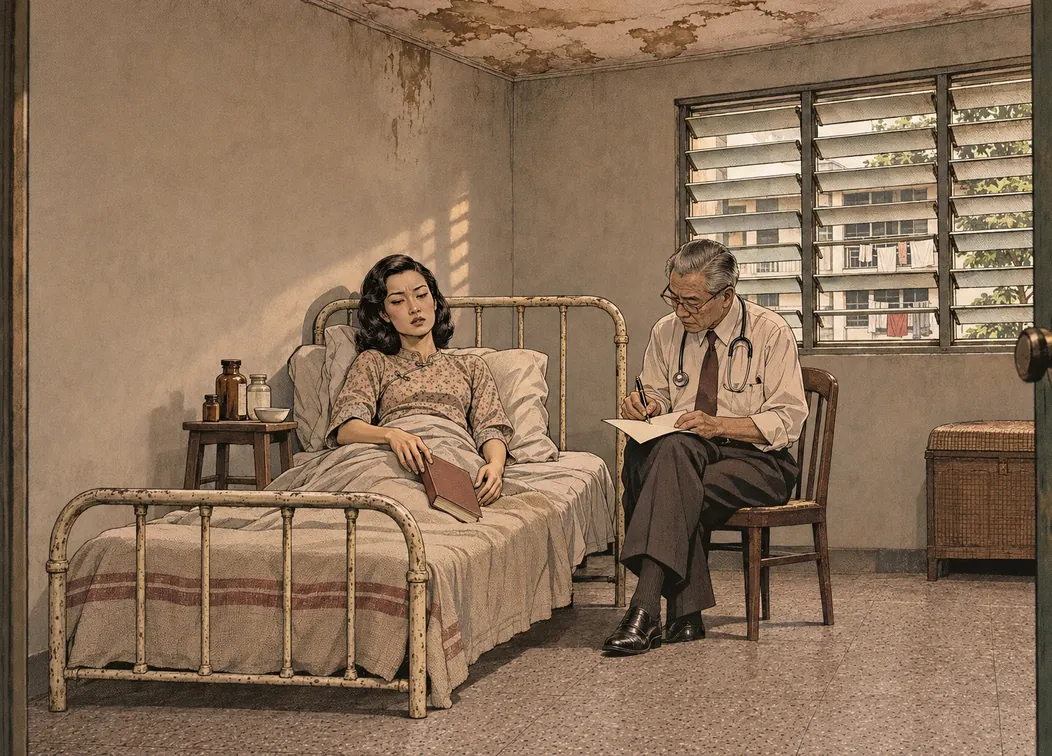
Mei Lin had been ill before, with the Asian flu at seventeen and a fever at fourteen, and both times she had read in bed. This time she could not hold the book up. The Orchard Road doctor came every other morning and said rest, and run down, and that she must eat, and he wrote prescriptions in a hand like a fence in a storm and did not give the thing a name. She stopped asking. It took her weeks to want to.
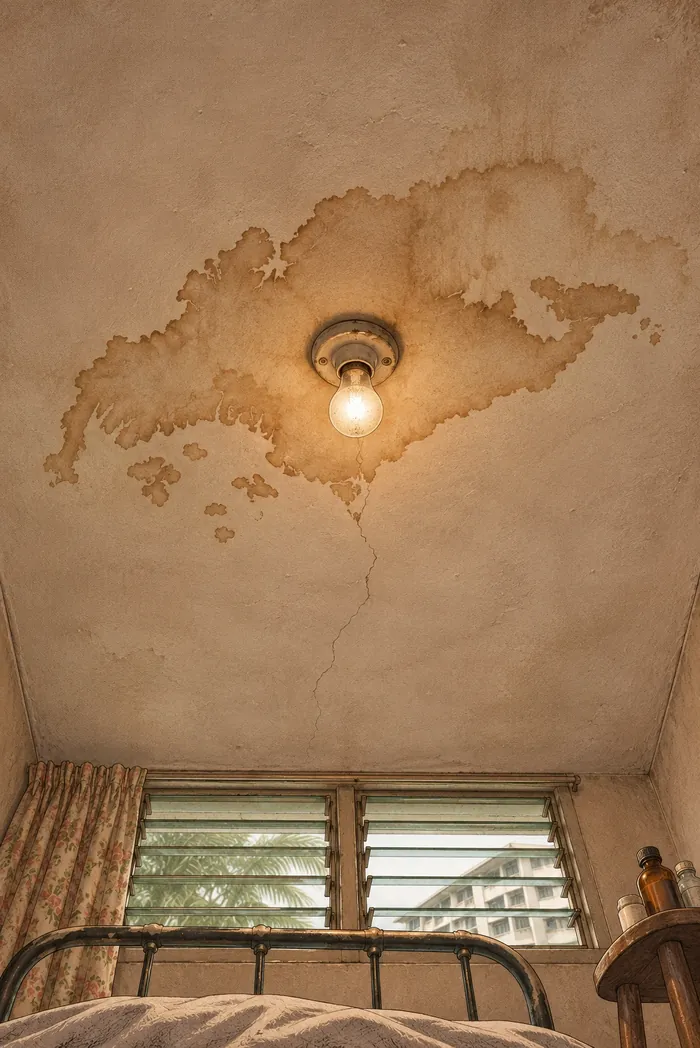
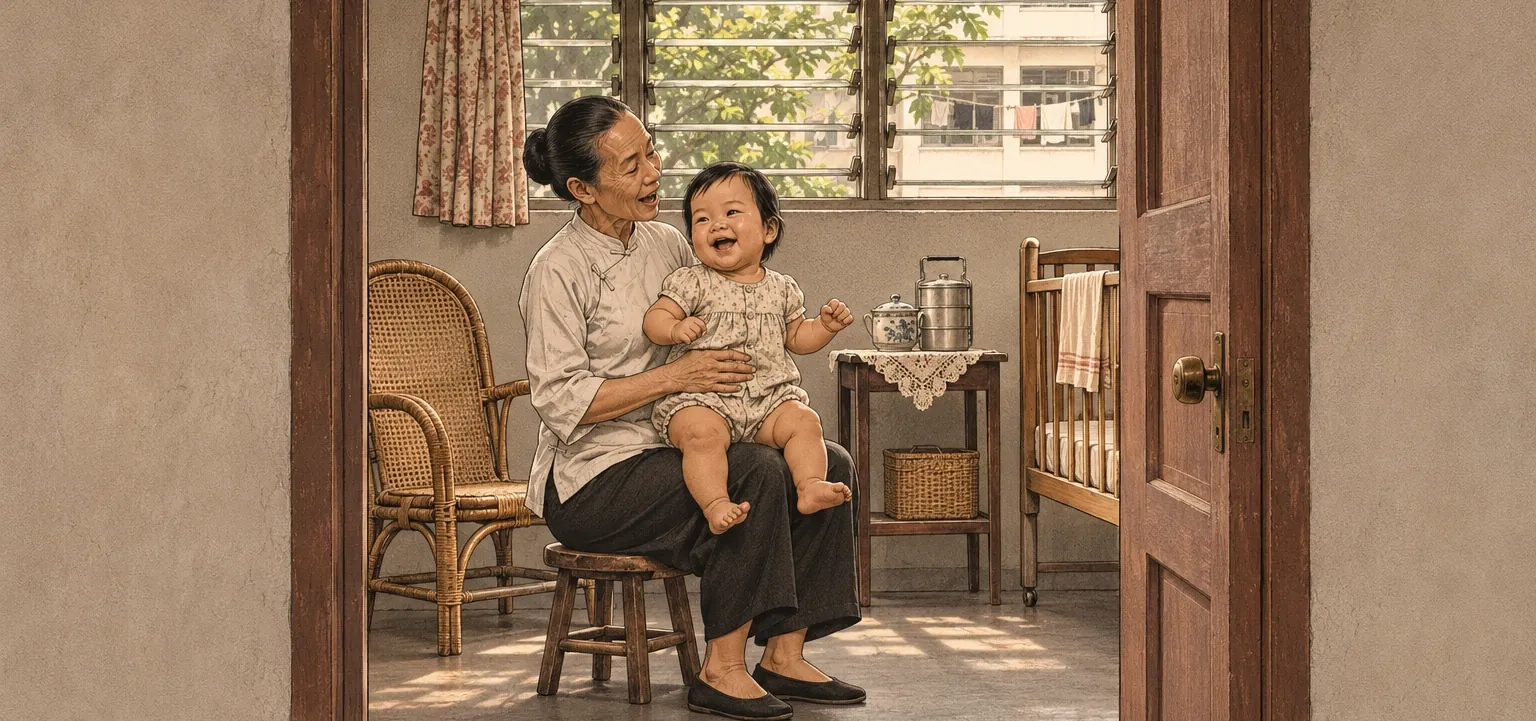
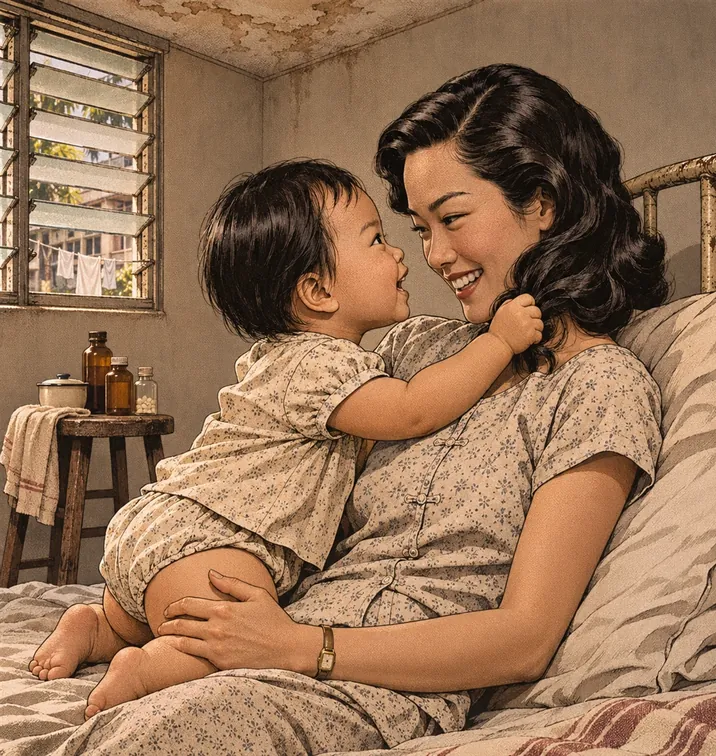
She learned the ceiling of the bedroom: a water stain shaped like the coast of Johor, a crack that ran from the light fitting to the window and stopped, as though it had changed its mind. Through the wall she could hear the amah singing to Rose in Cantonese, songs Mei Lin did not know, and Rose laughing at the same place in each one.
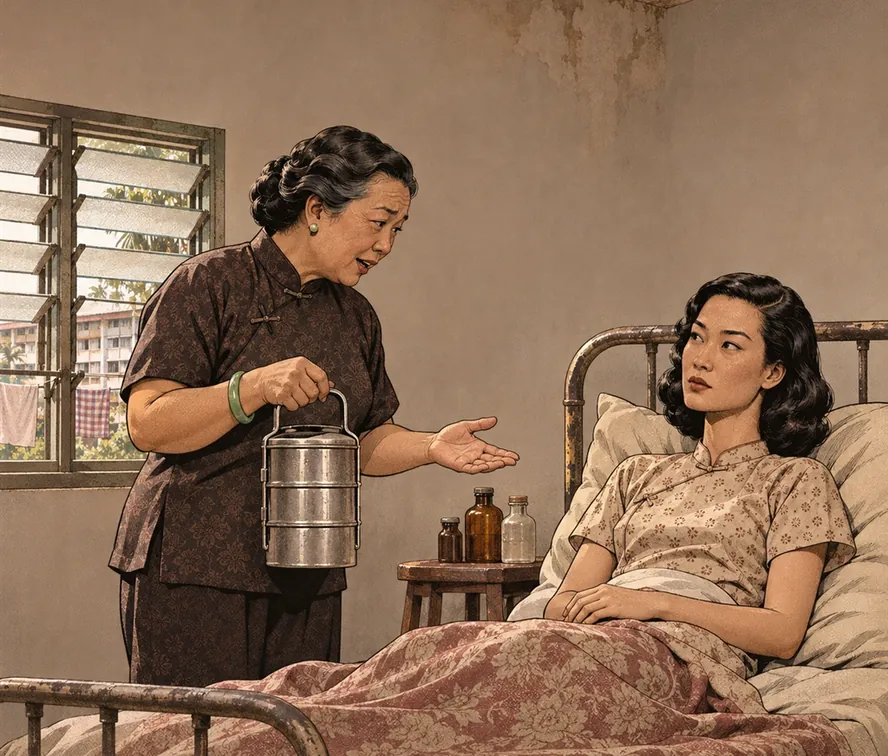
Kah Leong's mother came with soup and stood at the foot of the bed and said that a woman who worked in an office and had a baby could not expect otherwise. She also said, more quietly, that it was as well there was no second child on the way. Mei Lin agreed with the second thing and did not answer the first.
When she could sit up, the amah brought Rose in and put her on the bed. Rose crawled the length of it, inspected her mother's face from very close, and pulled her hair, hard, as if to make sure.
The New Manager
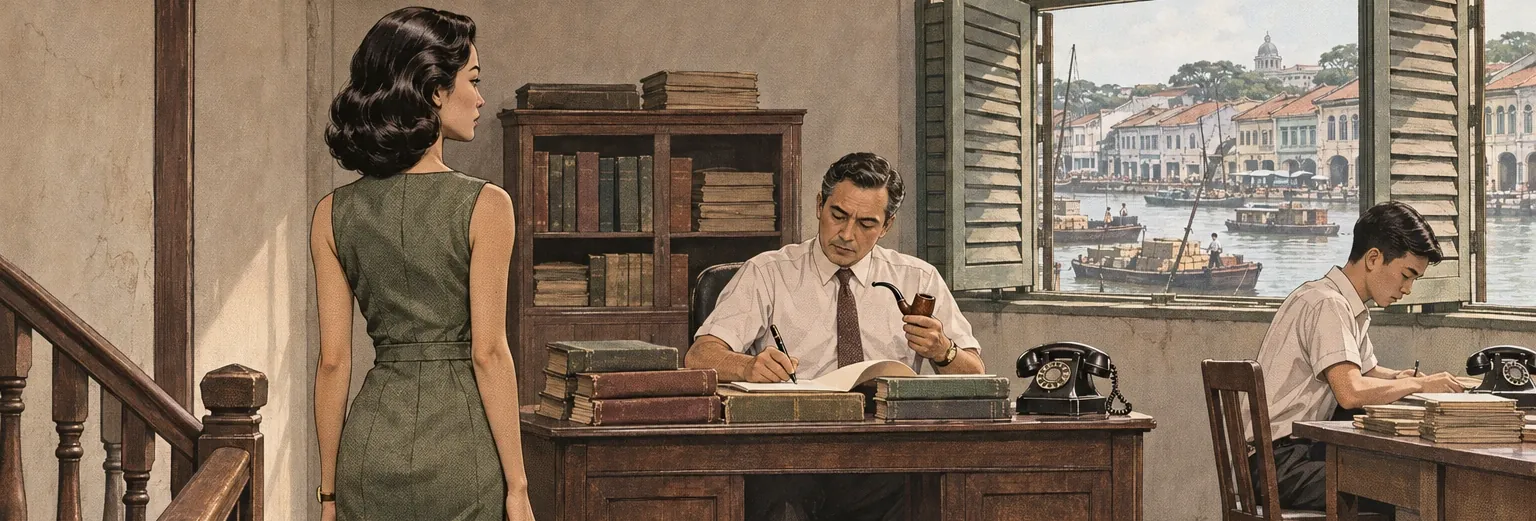
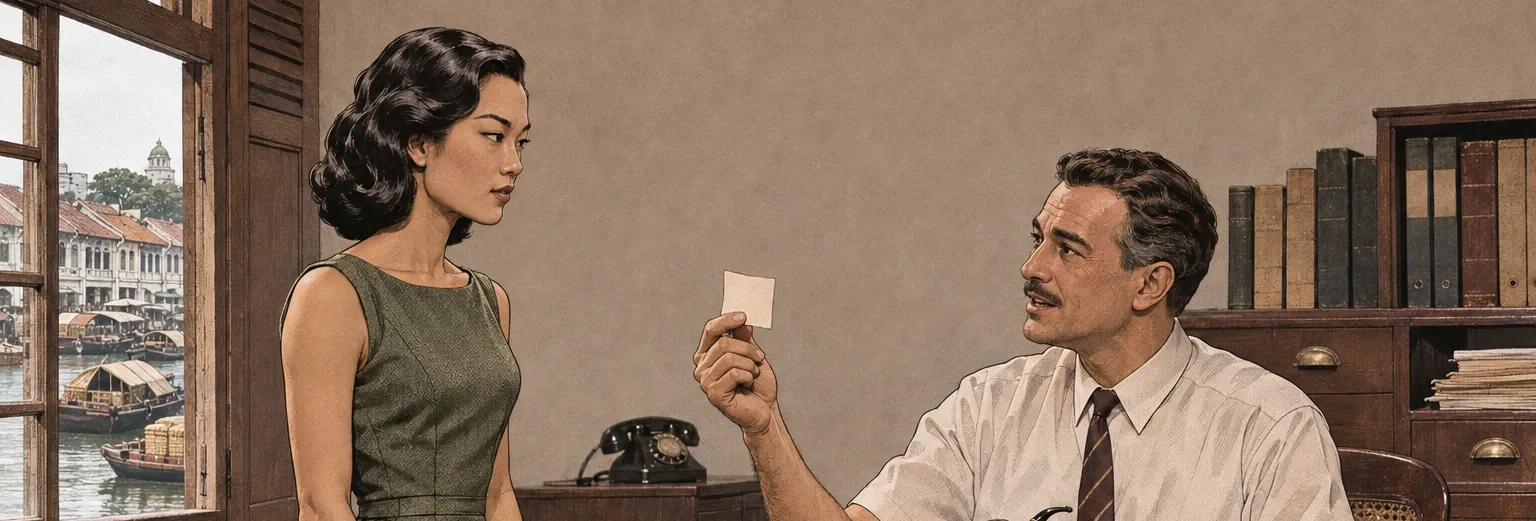
While she was in bed the agent brought in a manager to take over the books, a Eurasian man from a bigger firm in Collyer Quay with a pipe he never lit and a habit of initialling every page. When she climbed the stairs again the ledgers she had kept for two years were on his desk, not hers, and the junior clerk would not meet her eye.
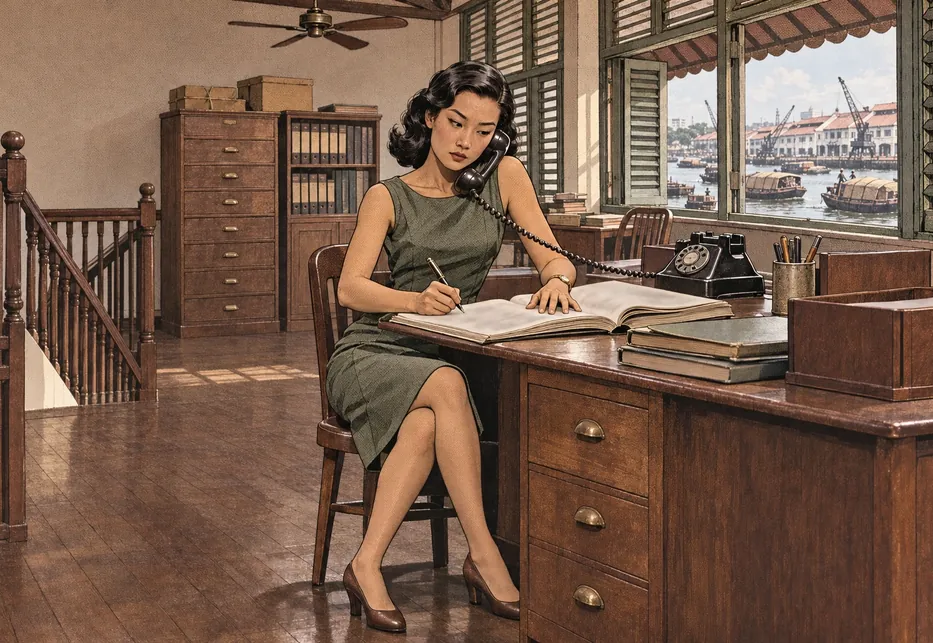
She did not ask for them back. She did the Hong Kong house's cargoes, which nobody else understood, and answered the telephone in three languages, and in the third week she found that he had carried a Dutch line's demurrage to the wrong account, and she wrote it out on a slip of paper and left it on his blotter without a word.
At the end of the month he called her in. He had the slip in front of him. He said that the agent had asked him what she was paid, and that he had told the agent it was not enough, and that from next month it would be a tenth more. Then he relit, or pretended to relight, the pipe.
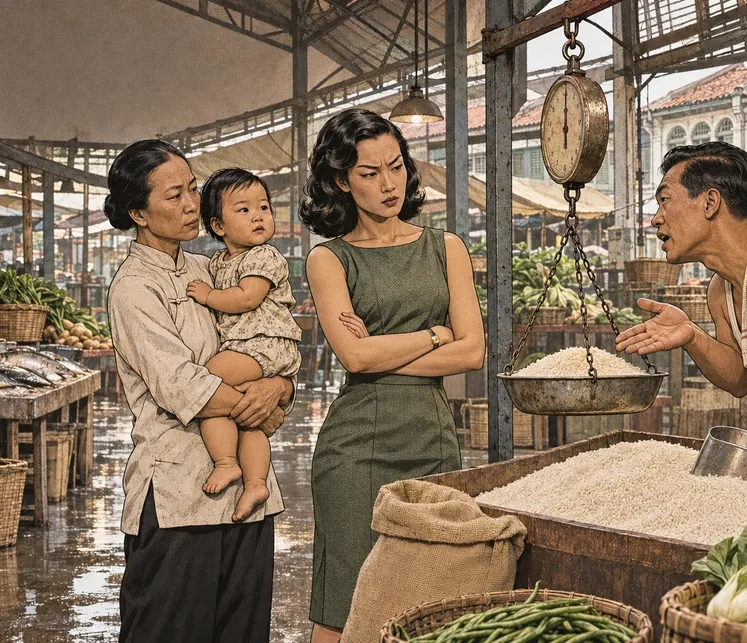
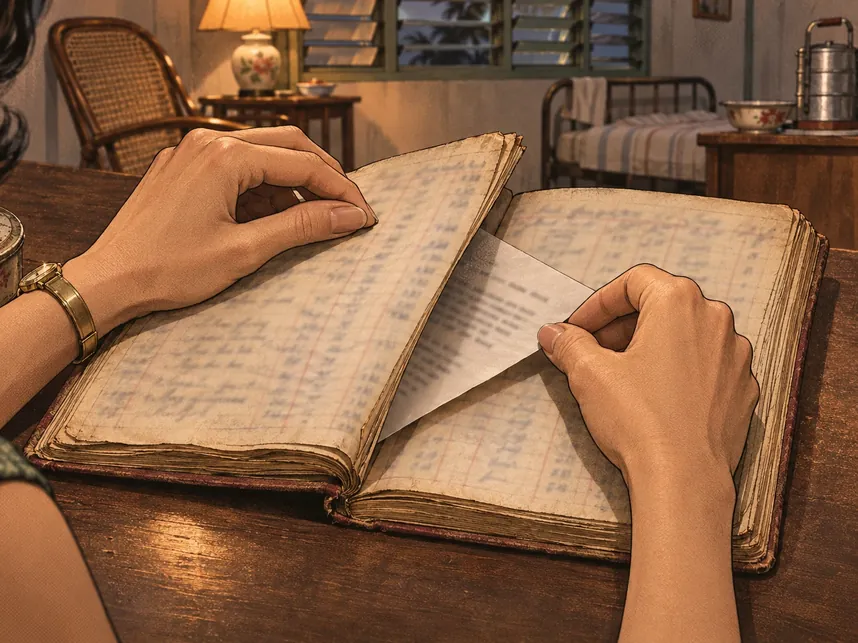
It did not go far. Rice was dearer that year, and so was everything at the wet market, and the amah wanted more at Chinese New Year, and got it. But she kept the letter from the agent in the loan book, which was not really a loan book, only an old cash book of her father's in which she had begun, in 1964, to write down who owed what to whom.
Her Father's Request
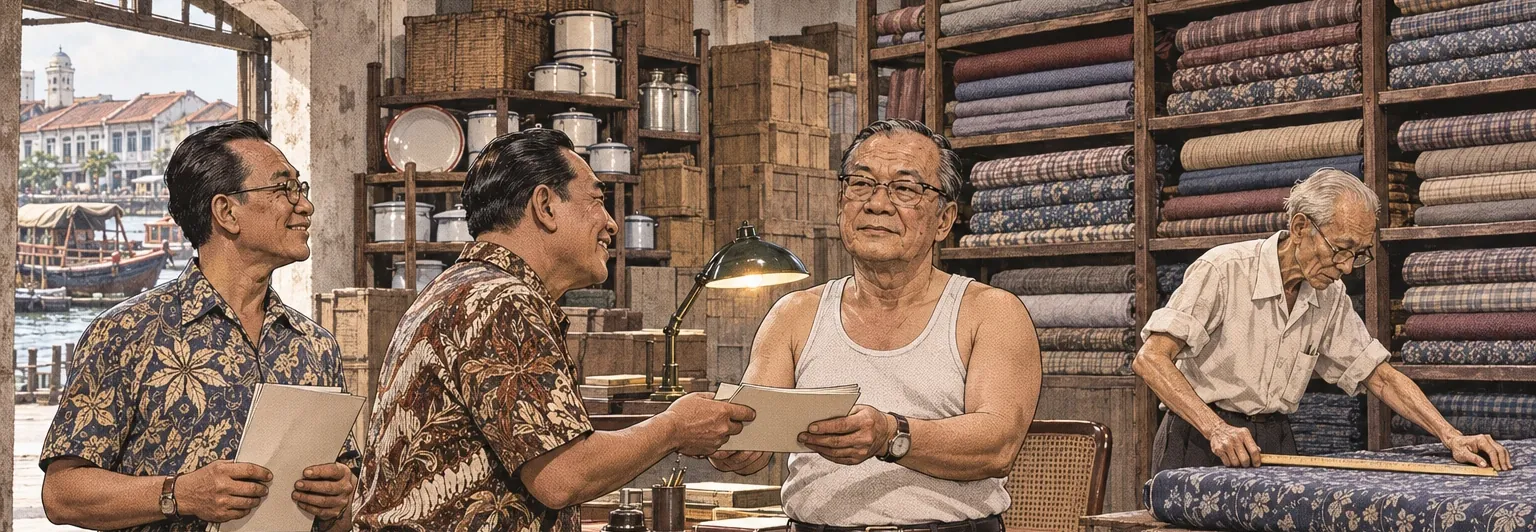
It should have been a good year. From September the Indonesian buyers came back to Cheng Huat directly, the old ones from before Confrontation, thinner and politer, with orders for cloth and enamelware written on paper that smelled of cloves. The firm grew. Then a draper in Serangoon Road who took more on credit than anyone else closed his shutters and did not open them, and Cheng Huat found that a good year on paper could leave him with no cash in the bank at all. An introduction a clan friend made for him, to a buyer for the new government's school stores, came to nothing; he talked about the quality of his drill and the buyer wanted a price.
Swee Neo was well again. She had been asked onto the temple committee in their district, to keep its accounts, and went to its meetings in her good grey samfu. She told Cheng Huat to ask her brother. He would not go to her brother again.
So he came to the flat one evening when Mei Lin was still pale, and drank his tea, and held Rose for exactly as long as the tea lasted, and then put the cup down and asked his daughter whether she could lend him something from her rent money until the Indonesian bills were paid.
She went and got the cheque book. He watched her write it, and when she held it out he took it by the corner, as though it were hot, and said he would pay interest. She said he would not. He said nothing more about it, and the next week the old clerk brought round a tin of the biscuits she had liked as a child, which was how her father said things.
The Loan Book
The doctor's bills came in the same fortnight as her father's cheque cleared, and her uncle, her mother's elder brother, the one with the rubber land, heard of both from Swee Neo and sent a note. He lent her what she needed on the terms he had always lent her mother: whenever it was convenient. She wrote it in the book, on the side for what she owed.
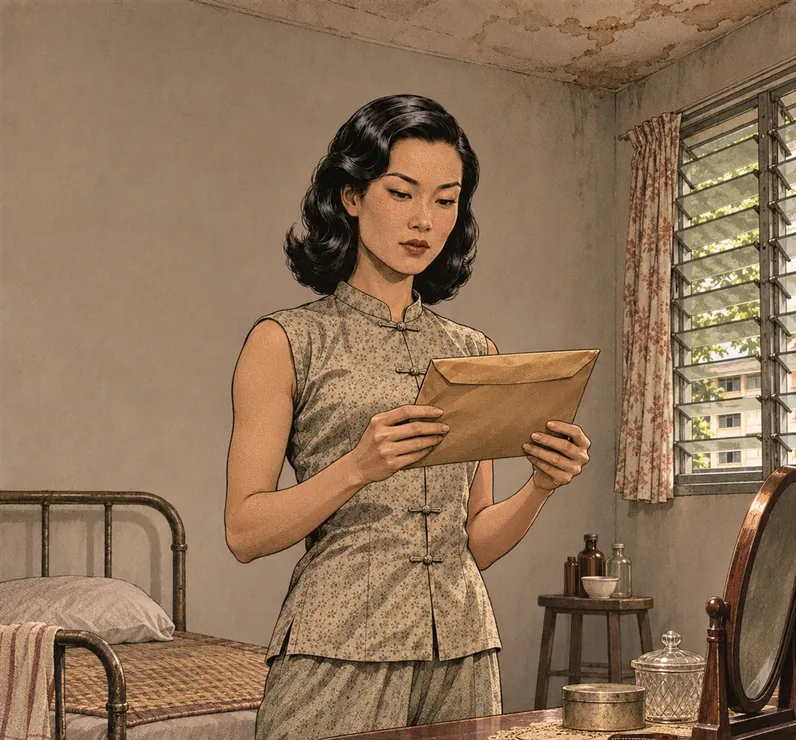
One evening Kah Leong put an envelope on the dressing table. It was part of what he had borrowed in 1964. He did not say where it had come from, and she did not ask, though she knew that his elder brother had lent him money earlier in the year on easy terms, because his mother had told her, as a kindness. She wrote it in the book on the other side.
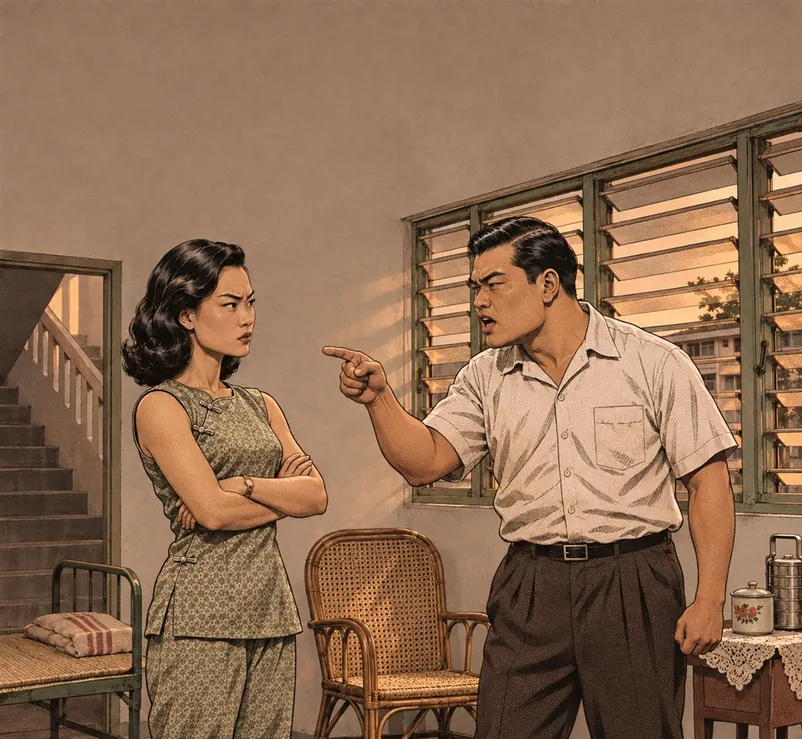
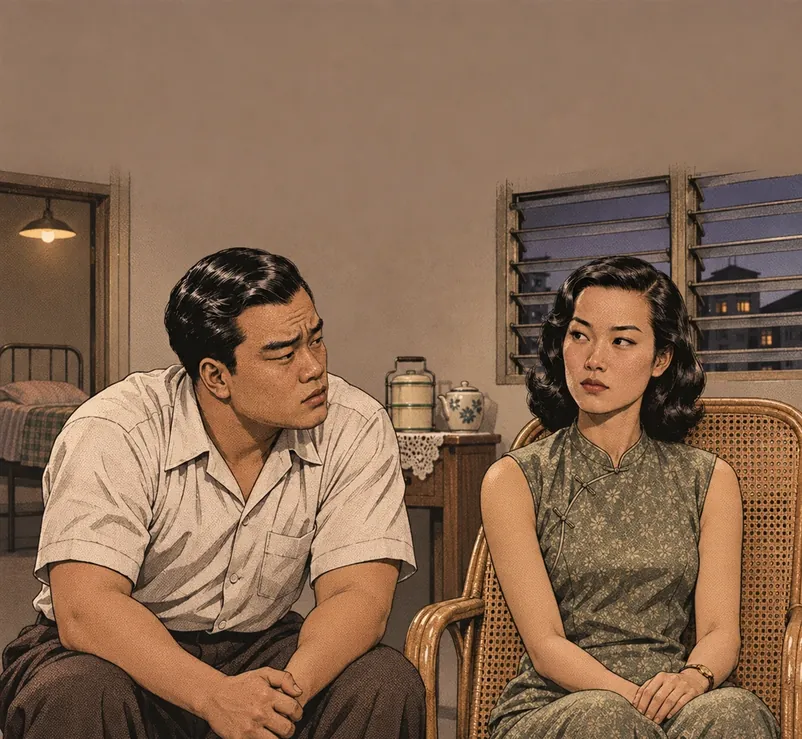
Before the year was out they quarrelled, not about money. He said that she had gone back to the office before she was well, that the new manager worked her like a coolie, that his mother had been right. She said that his mother had been right about a great many things and that this was not one of them. He said she cared more for the Hong Kong house's cargoes than for Rose. That was the sentence that went further than he meant, and they both heard it go.
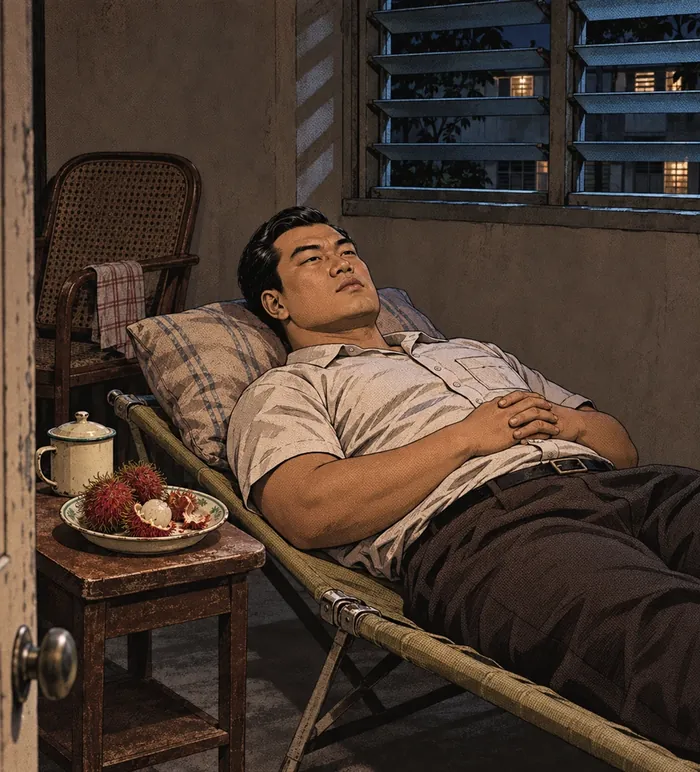
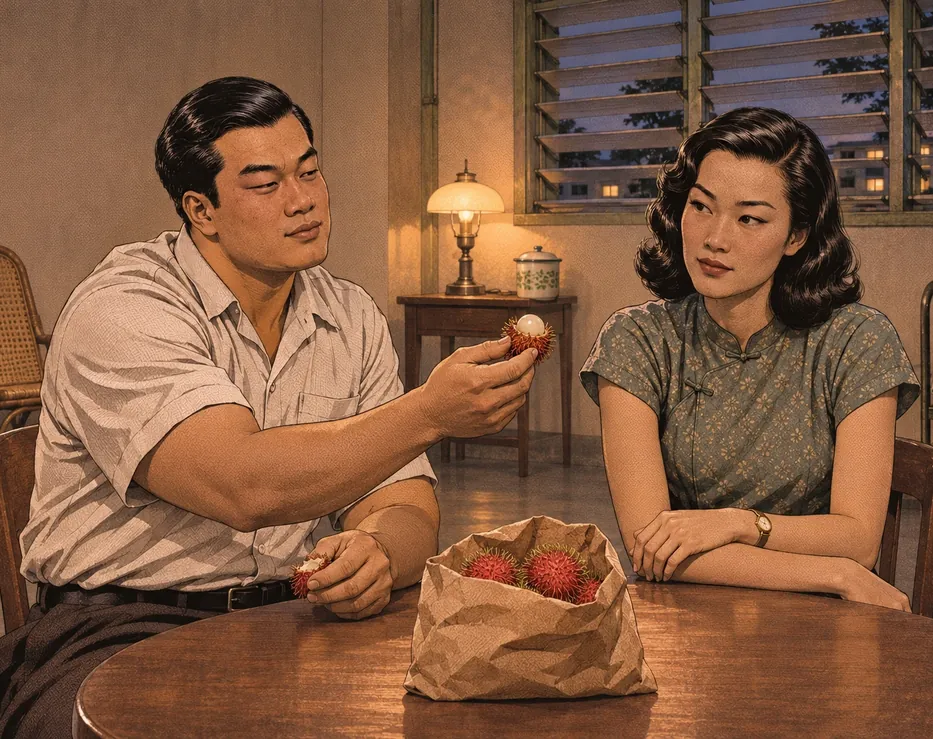
He slept in the front room for a week, which was where he had been sleeping anyway. On the eighth evening he came in from Boat Quay with a paper bag of rambutans, which she had liked when they were courting and had not eaten since, and peeled one for her with his thumbnail, badly, and they did not mention it again. It was, taken all round, a steady year between them. She thought that was probably what most steady years were like.
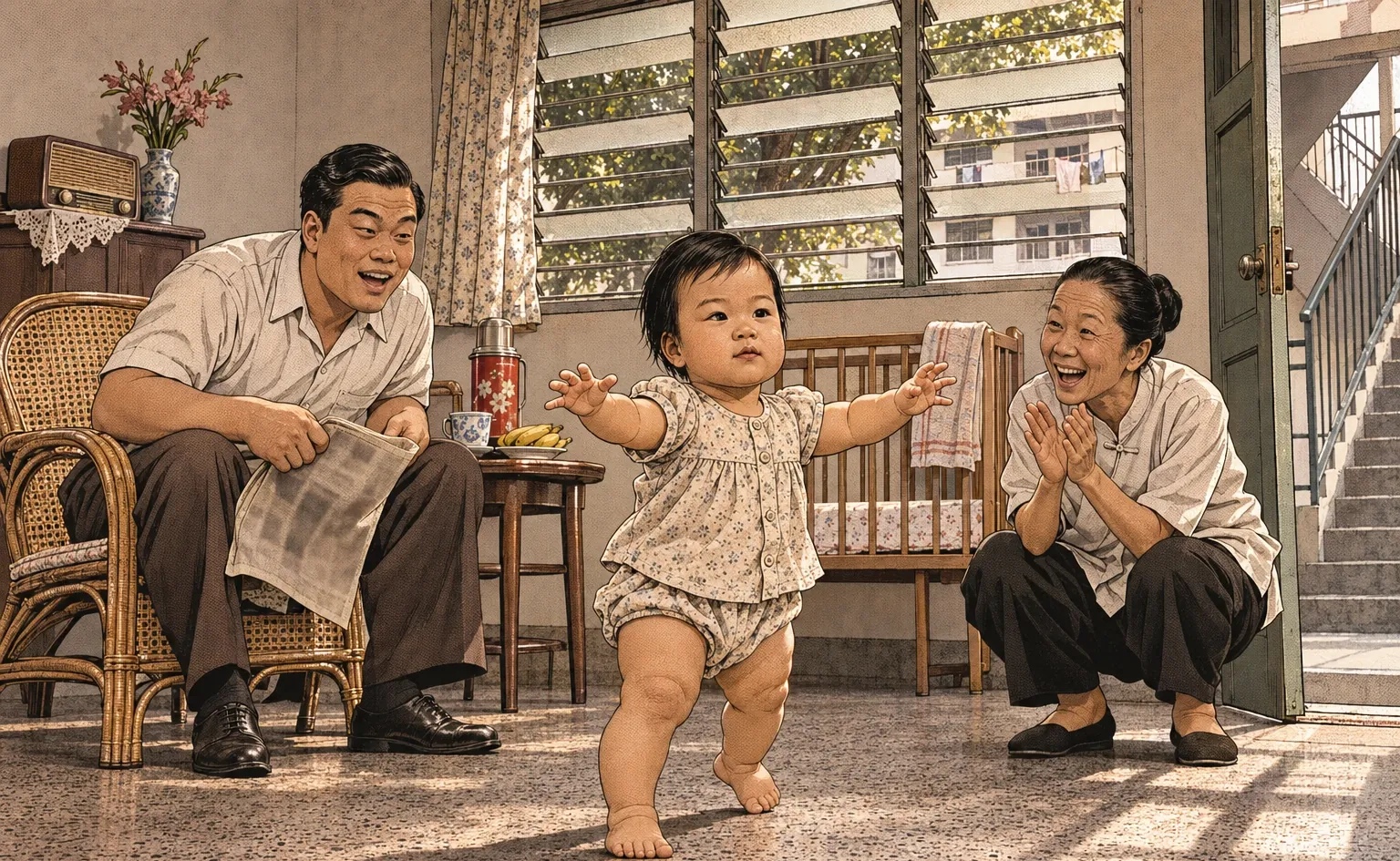
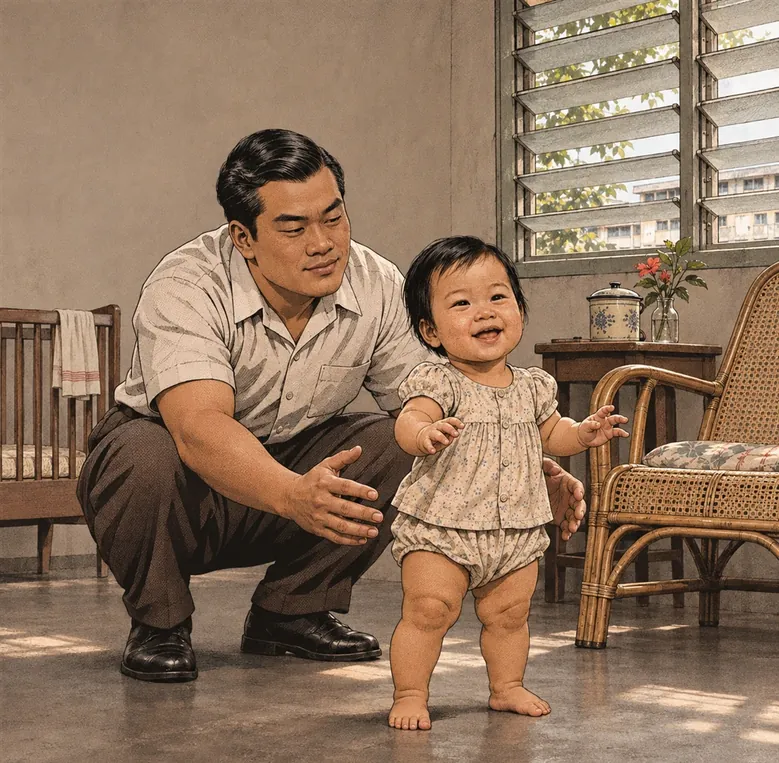
On the last Sunday of the year Rose walked from the cane chair to the door of the front room, five steps, and sat down hard, astonished, as if the floor had come up to meet her. The amah clapped. Kah Leong, who had been reading the shipping news, put the paper down and asked her to do it again, and when she would not he carried her back to the chair himself and set her on her feet, and waited. Mei Lin watched them from the kitchen doorway. Then she went to the drawer and took out the loan book, and wrote the date, and under it, in the column where she put things that were not money, Rose: five steps.